Request a Demo
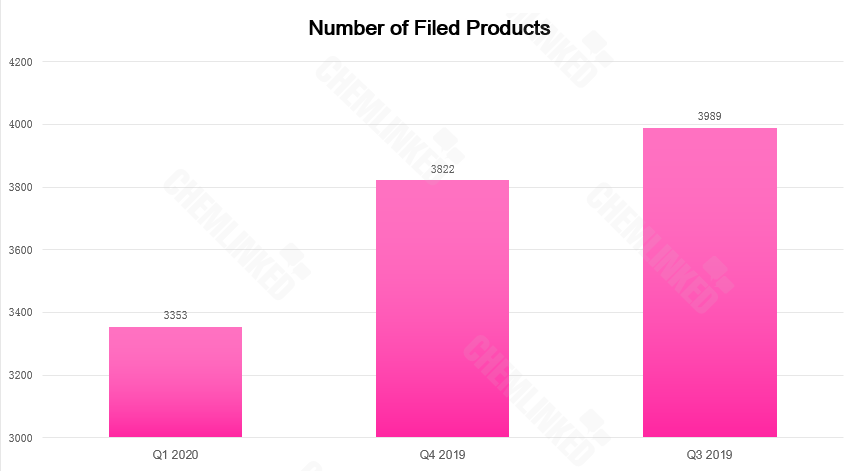
According to the filing data publicized on China National Medical Products Administration's (NMPA) online filing information query system, a total of 3353 imported non-special use products were filed in Q1 2020, translating to a decline in products filed of around 15% and 12% compared with the Q3 and Q4 2019. Undoubtedly, the COVID-19 pandemic was the major contributor to this decline.
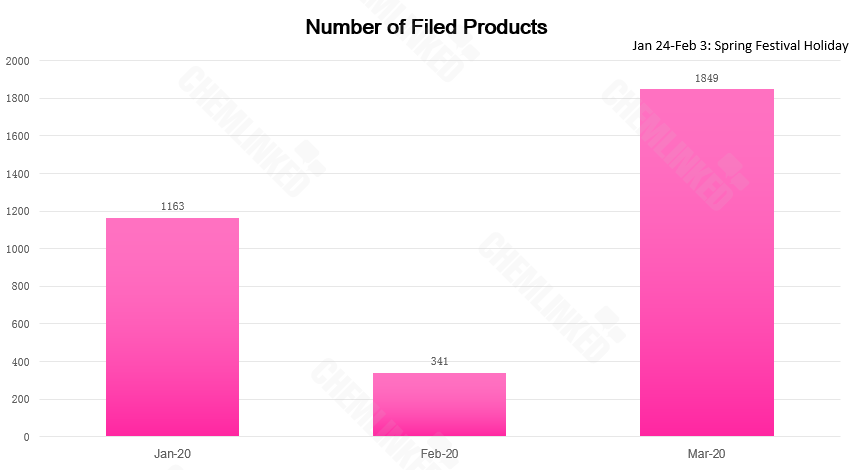
 Notably, there were only 341 imported non-special use cosmetics filed in February, decreasing by more than 70% compared to January figures. China’s successful domestic COVID19 containment strategy has allowed work to resume, and in March we witnessed a noticeable rise in the number of filed products.
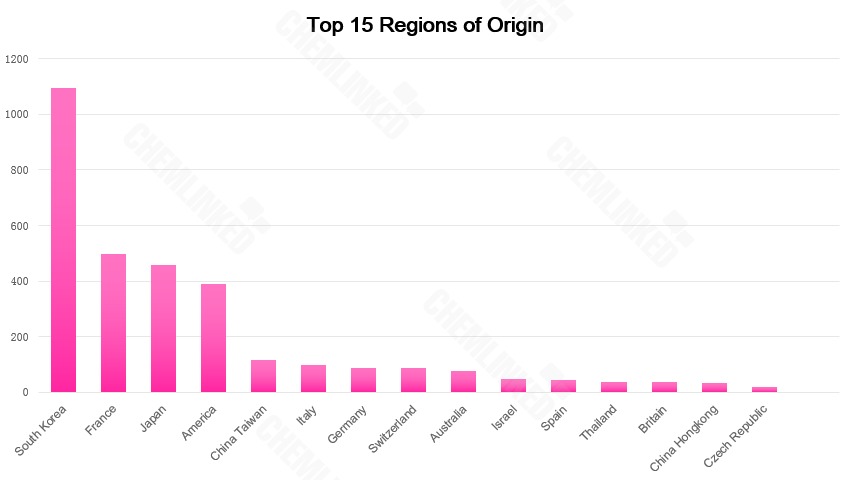
 Among the 3353 filed imported non-special use products in Q1 2020, South Korea accounted for the overwhelming majority, followed by France, Japan, and America.
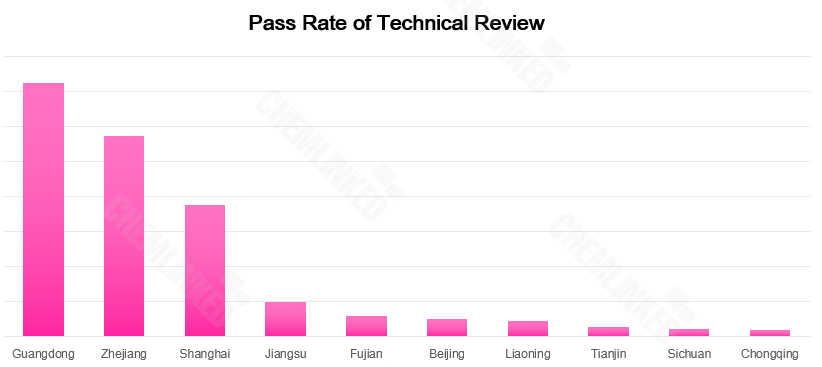
 Concerning the pass rate of technical review, it decreased to 58% in Q1 2020 from an average rate of 80% last year. More than 100 products were subject to suspension of sales, and stakeholders involved in five products are now subject to administrative penalties for violation of rules.
 There were 4 main reasons for filing applications being rejected. NMPA reminded cosmetic companies to pay attention to the following typical examples: [1]
1. Non-compliant claims
Imported cosmetics bearing claims which do not comply with Chinese cosmetic regulations are rejected. Packages bearing label claims such as “anti-inflammatory” etc. are all forbidden. For such cases, NMPA requires applicants to determine if the product is defined as a cosmetic in China first. If yes, applicants shall modify the non-compliant information on the original packaging before applying for filing. Otherwise, the product can’t be filed. In addition, for products subject to adjustment of formula but still using the previous product name, they shall not be marked with “upgraded formula."
2. Inconsistency between product usage method and product name
Some cosmetics are named as face creams but labeled with instructions indicating suitability for use on eyes, lip, and face etc. NMPA stress that the usage method and body part application site must be consistent with the product name. For products applied to multiple body parts, the authority will review the filing application based on the application site on the body which is subject to the strictest requirements.
3. Filing according to incorrect cosmetic category
The typical example is that certain shampoos or hair masks claiming hair color change function are falsely considered as non-special use cosmetics by the applicants. According to the regulation, products that change the color of the hair permanently (i.e. non rinse off products) are regulated as hair dye products and subject to special use cosmetics registration. NMPA suggests that companies must carefully determine the cosmetic category, taking into consideration products’ claims, application method, application part, and purpose of use.
4. Non-compliant testing [2]
China has implemented new testing regulations for cosmetic registration and filing since Sep 10, 2019. Many filed cosmetics do not comply with the new regulation. Major causes can be summarized as follows:
Unstandardized testing method/report, including physical and chemical testing, toxicological testing, high-risk materials testing
Incomplete testing items or testing dossiers, e.g., lack testing reports of sunscreen agents, free formaldehyde, PH or skin irritation, application form or receipt notice, etc..
Inconsistencies between testing dossiers and filing dossiers, e.g., the company name and address in the testing report are not in line with the filing application dossiers, the shelf life in the testing report is not in line with the original packaging.
Unqualified testing institutions: the testing institution hasn't obtained a license from the NMPA
Non-compliant testing results, including lead, citric acid, AHA
 We provide full-scale global cosmetic market entry services (including cosmetic registering & filing, regulatory consultation, customized training, market research, branding strategy). Please contact us to discuss how we can help you by