Request a Demo
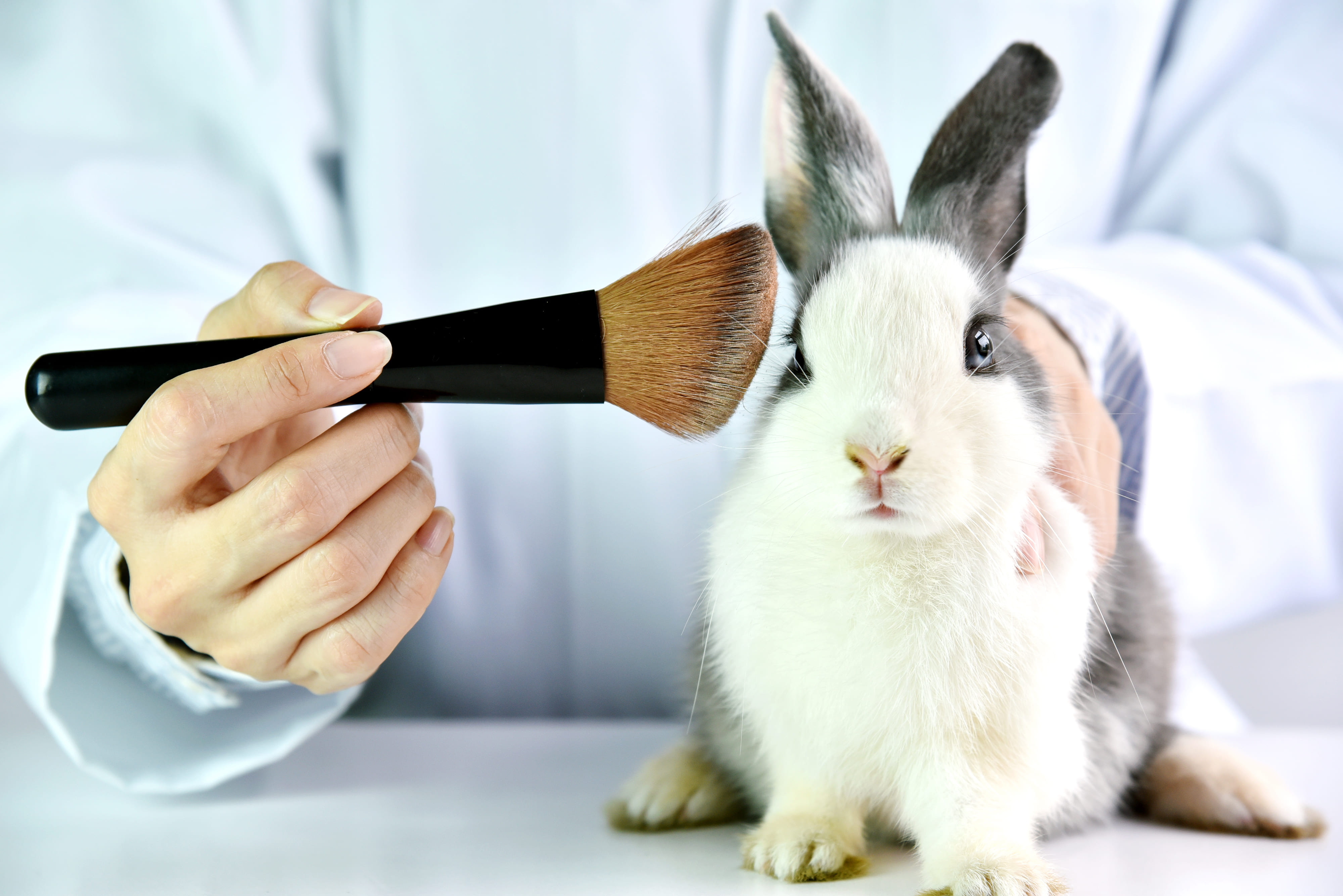
Animal testing has a hugely polarizing influence on the cosmetics industry. Two clear distinctions delineate cosmetics enterprises, those who adhere to animal testing and those who are diametrically opposed to it due to ethical considerations. The mandatory adoption of animal testing has in the past clearly distinguished these two categories. A storm of regulatory reform in the Chinese cosmetics industry has seen the Chinese government relax its stance on this issue and mandatory animal testing is no longer necessary for “non-special” use cosmetics (CL news on 23 Dec 2013) . This move may very well see the boundaries between these categories of enterprise blurred, however two major pieces of regulatory reform have muddied the regulatory waters and the animal testing issue is by no means cut and dry. The first is the issuance of a consolidated inventory of existing cosmetic ingredients in china (IECIC)(CL news on 23 Jan 2014) the second is the amendment to China’s registration of new cosmetic ingredients (CL news on 26 Jan 2014).
The issuance of the inventory means that industry now has a reference by which to gauge its registration requirements. In a nutshell registration is required for all substances not included in the IECIC. Under the new registration requirements protection of R&D will be bolstered. In the past once a substance was registered it was freely available for use by the industry irrespective of original registrant’s financial investment. Under the new system a successfully registered new cosmetic ingredient will not be included in the IECIC until four years after registration contingent on the fact that no serious adverse events occur in that time . During this period only registrants that submit compliant dossiers with requisite testing data can use the new cosmetic ingredient in their formulations.
This regulatory clause begs an obvious question. If a single substance registered by multiple registrants requires multiple dossiers submissions, this will necessitate the duplication of animal testing. Based on this, will there be new provisions for formation of “SIEF-like” cooperatives to share testing costs and ultimately data? The updated regulations currently lacks any provisions for data sharing and with the deadline for public comment fast approaching it will be interesting to see whether this issue is raised. Another major issue of concern for companies considering dipping their toes in the waters of the Chinese market is the fact that currently the cessation of mandatory animal testing for non-special use cosmetics is currently only extended to domestic enterprise. The vast majority of ethically inclined enterprises are European or American based. Entering the Chinese market will require setting up a production base in the mainland or alternatively shipping bulk products for post-production modification and repackaging in China.
 We provide full-scale global cosmetic market entry services (including cosmetic registering & filing, regulatory consultation, customized training, market research, branding strategy). Please contact us to discuss how we can help you by