Request a Demo
Takehome:
- Filing management of first imported non-special use cosmetics will be mandatory nationwide from Nov. 10.
- China’s new overarching cosmetic regulation is scheduled to be promulgated by the end of 2018.
- The big question for CBEC stakeholders on the potential for policy change and requirements to follow general trade regulatory compliance requirements has not been answered yet.
- China will continue to work towards a phase out of animal testing and continue to develop more alternatives.
- Cosmetics in China will be subject to classified supervision in which the stringency of regulatory compliance requirements is stratified based on inherent risk.
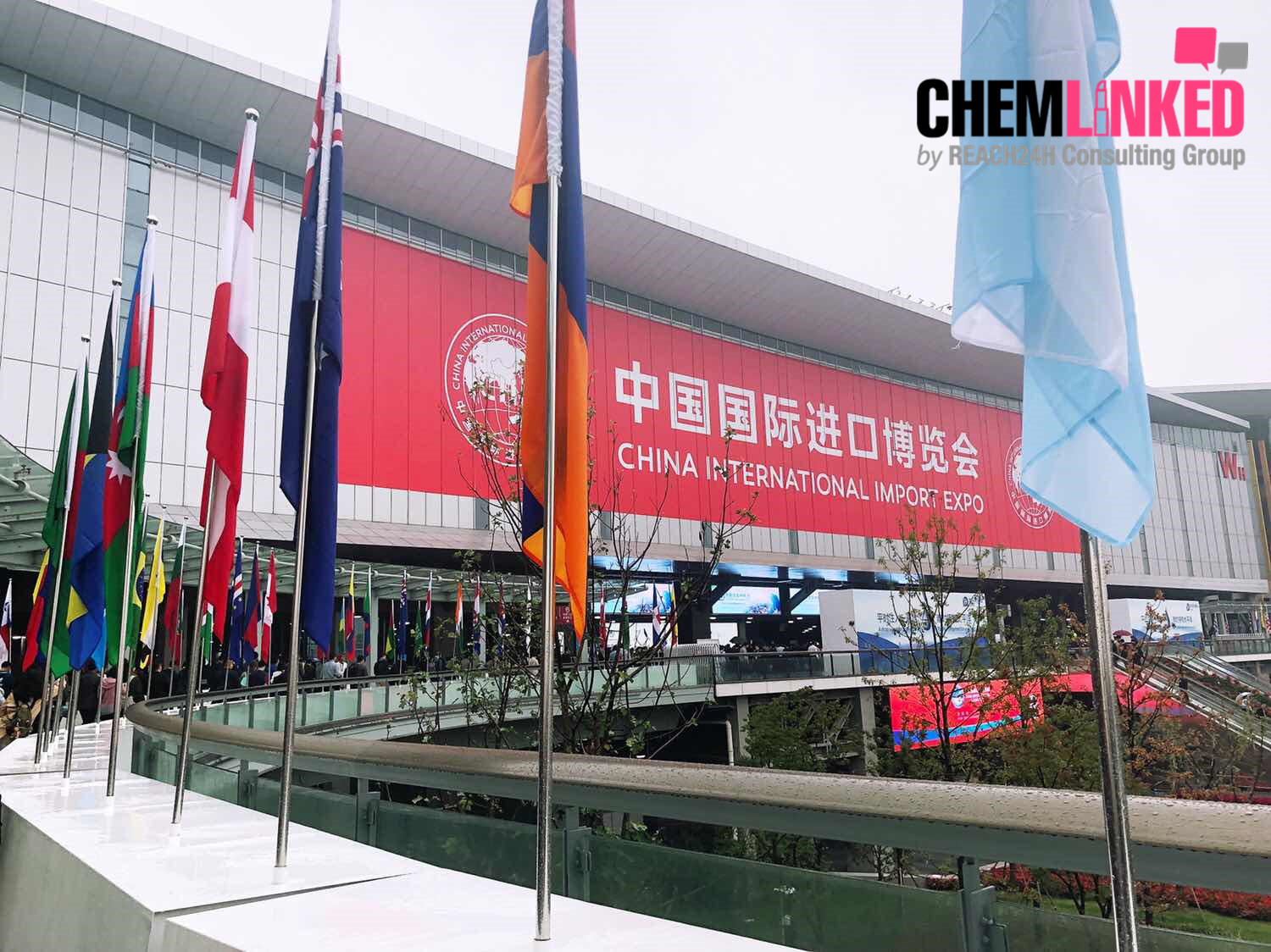 On Nov. 5, the first-ever CIIE, sponsored by China Ministry of Commerce and Shanghai municipal government, was officially opened in Shanghai to promote trade liberalization and economic globalization. As the world’s first national level import expo, CIIE was attended by thousands of enterprises from 172 countries and by a number of Chinese and international government officials and also industry experts.
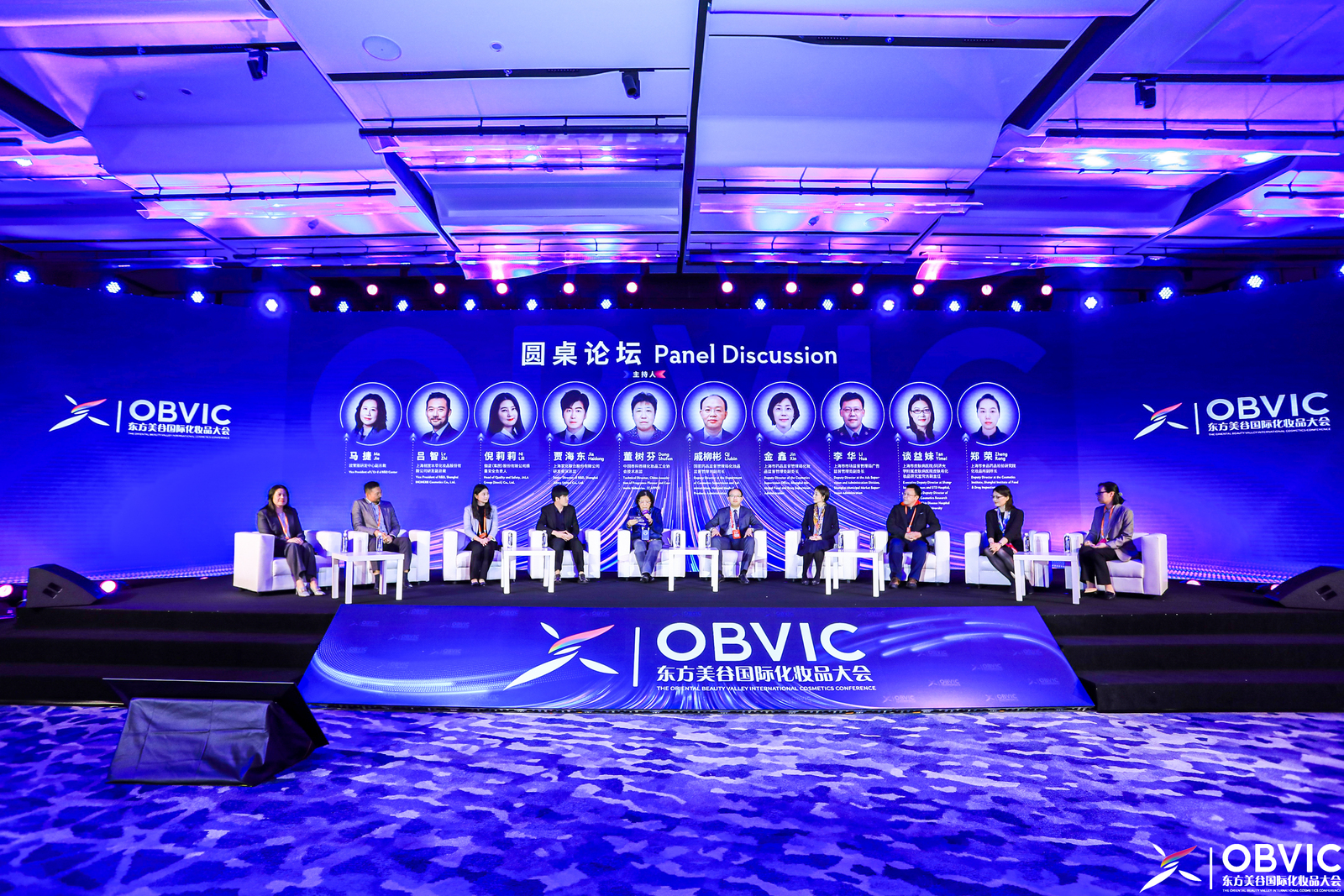
During a cosmetic conference in one of the expo’s many supporting events, officials from NMPA (National Medical Products Administration-Subordinate to SAMR) Cosmetics Division disclosed some key potential regulatory changes going forward.
1. Expand filing management nationwide
Starting from November 10, registration of imported non-specials cosmetics will be entirely replaced with filing management nationwide in accordance with the State Council’s notice of Advancing the Reform of “Separating Certificates from Business License”. The online filing system is also being updated preparing for the change and will be capable of business since Nov. 12.
All first-imported non-special use cosmetics will be subject to filing management. Stakeholders are required to entrust a domestic responsible person, which is a prerequisite of cosmetic filing application. For more detailed requirements, please refer to Guidance of Filing Management for First-imported Non-special Use Cosmetics.
2. Introduce a new overarching cosmetic regulation
The last draft revisions to China's Regulations Concerning the Supervision and Administration over Cosmetics has finished consultation and been submitted to the State Council for further review and the new overarching cosmetic regulation is expected to be promulgated before the end of 2018.
3. Work on new CBEC policies
The big question on whether or not cosmetics traded on CBEC will be subject to general trade channel regulatory compliance requirements i.e. filing/registration remains unanswered.
Trade of cosmetics through CBEC channels has grown rapidly, largely due to the acceleration of China’s opening-up and the release of favorable supporting policies. President Xi Jinping confirmed at the import expo inauguration that China will take further steps to lower tariffs, facilitate customs clearance, reduce institutional costs in import, and step up CBEC and other new forms and models of business. In view of these upcoming policies, China's barriers to imported cosmetics will become smaller and smaller and obstacles to the development of imported cosmetics, such as import tariffs and import market entry requirements may be further removed.

4. Continue progress towards phasing out of animal testing
When it comes to animal testing, two major targets are currently being pursued:
- New group standards in regard to cosmetic safety evaluation are being drafted by CAFFCI will be published next month. (Group standard refers to a voluntary standard established or adopted by a professional association or body.)
- China is planning to set up a research center to develop alternatives to animal testing.
5. Optimize current regulatory framework
In March 2018, China’s administrative bodies and ministries underwent institutional reform, one major development was the formation of China’s first “Cosmetic Safety Supervision Department” (化妆品监督管理司). Following this landmark development, China’s cosmetic authorities intend to develop a more scientific and effective regulatory framework which aligns with that of China’s global trade partners.
Officials pointed out that going forward China will adopt more of a risk-based approach to cosmetic regulation which will assign differentiated priority to different categories of cosmetics based on their inherent characteristics. China will roll out increasingly stringent measures for the supervision of special use cosmetics, such as whitening cosmetics. For general cosmetics China will shift the burden of responsibility towards enterprise and attempt to foster increased industry self-regulation which will align with an overall shift from pre-market assessment to post-market supervision (a principle heavily adopted in the filing system used for first imported non-special cosmetics filing).
 We provide full-scale global cosmetic market entry services (including cosmetic registering & filing, regulatory consultation, customized training, market research, branding strategy). Please contact us to discuss how we can help you by