Request a Demo
The 30th ASEAN Cosmetic Committee (ACC), held in Naypyidaw, Myanmar, from June 20 to 21, 2019, approved the revision of ASEAN Cosmetic Directive (ACD). To coincide with ACD, Malaysia NPRA amends the AnnexⅡ no.1384, AnnexⅢ no.324 no.325 and no.326, AnnexⅥ no.7 and no.32, as well as AnnexⅦ no.31 in Guidelines for Control of Cosmetic Products in Malaysia.
Here are the details:
AnnexⅡ List of Prohibited Ingredients
Prohibition of use of 2-Chloro-Phenylenediamine including its sulfate and dihydrochloride salts are shown in Table A. Certified cosmetic products containing these substances are only allowed in the market before June 17, 2020.
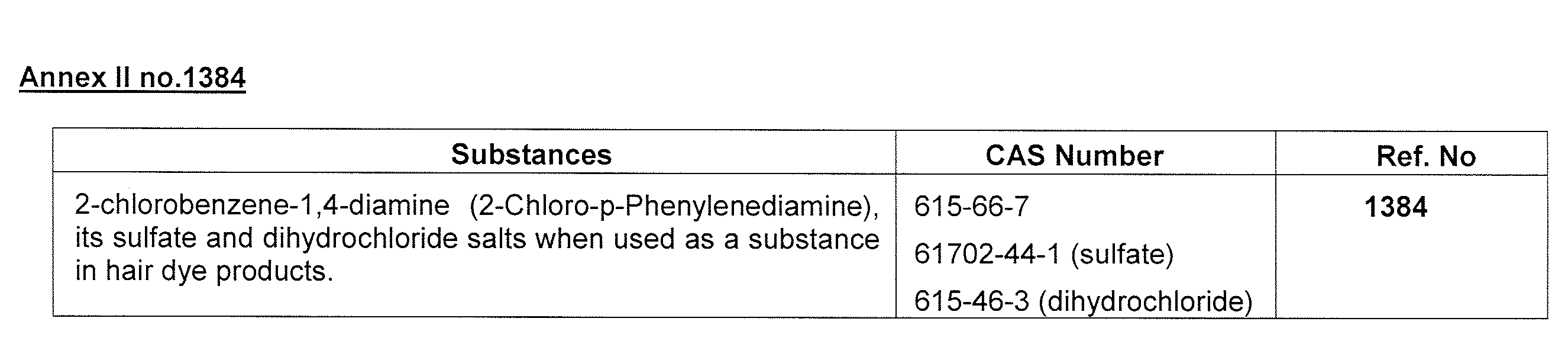 Table A
AnnexⅢ List of Restricted Ingredients
1. Tagetes Minuta and Tagetes Patula
The concentration and requirements allowed for use for these two ingredients are shown in Appendix B1. Certified cosmetic products that do not comply with the new concentration and requirements are only allowed to be in the market before December 18, 2020.
2. Climbazole
The concentration and conditions allowed for use for this ingredient is shown in Appendix B2. Certified cosmetic products that do not comply with the new concentration and requirements are no longer allowed in the market from the date of issue.
3. Silver Nitrate
This ingredient is removed from the AnnexⅢ.
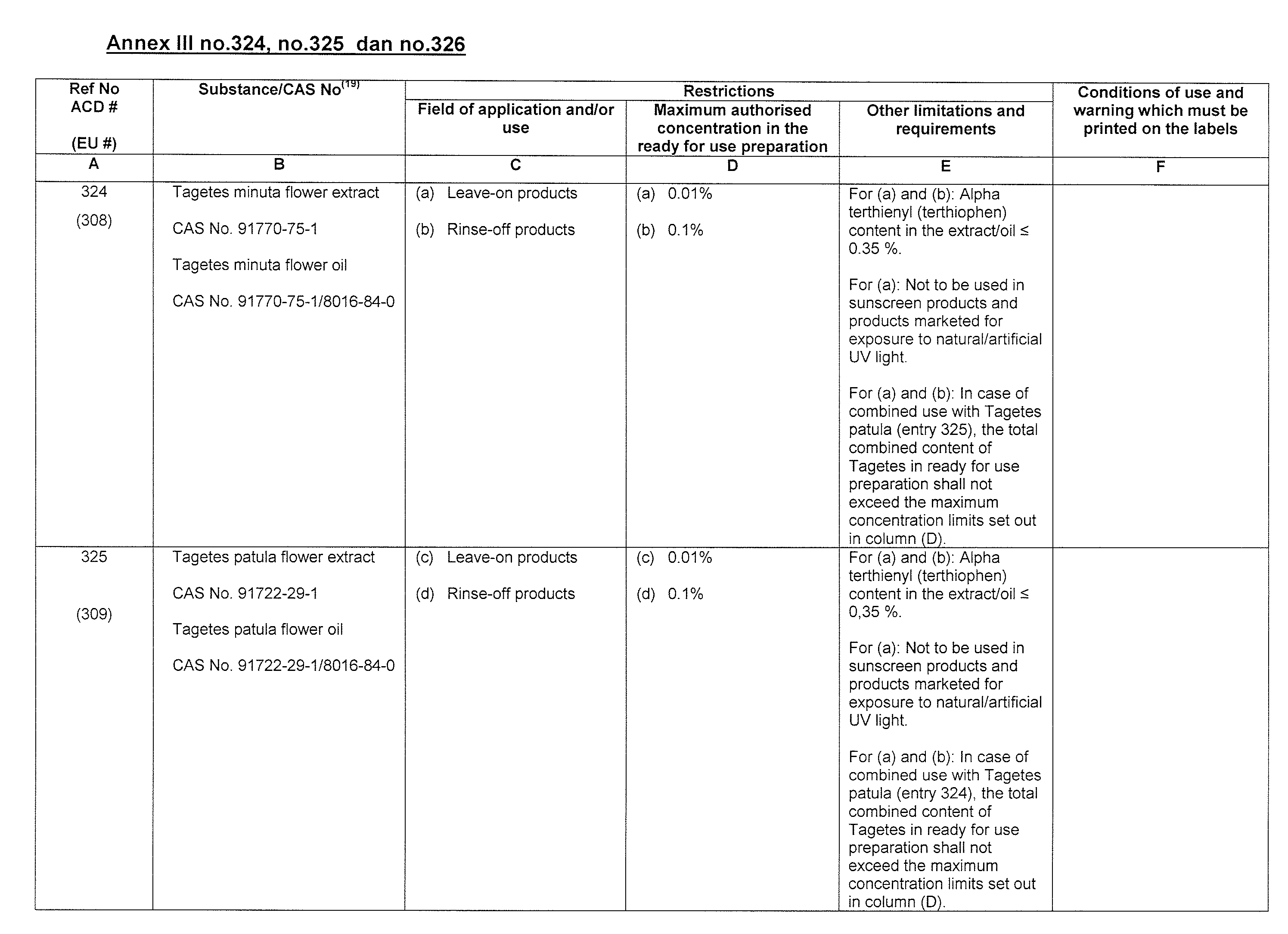
Table B1
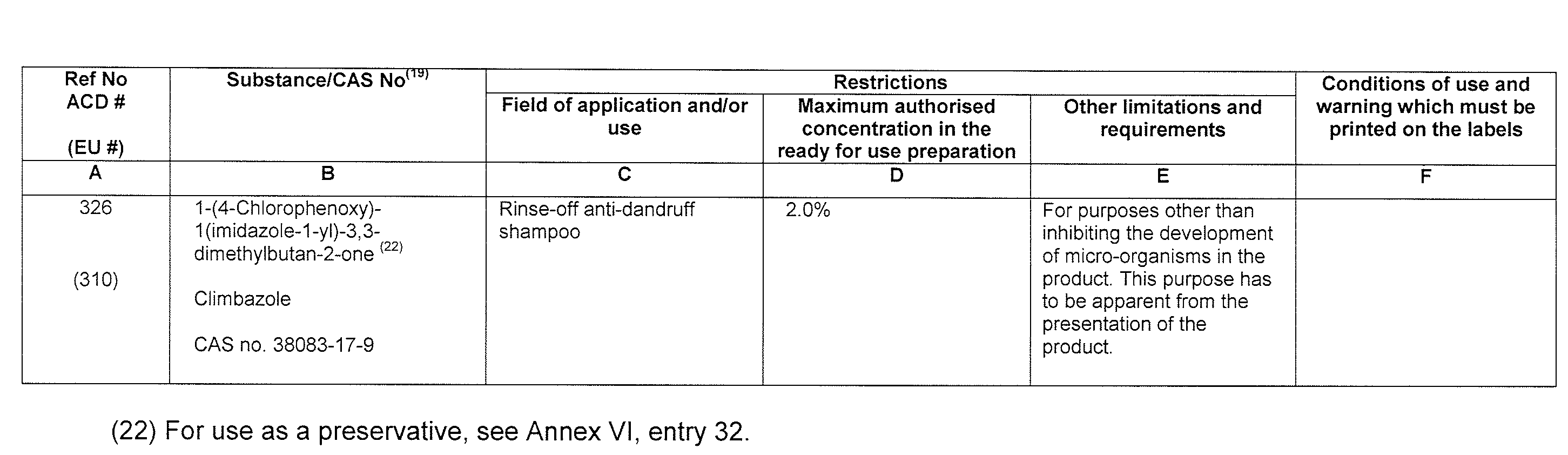
Table B2
AnnexⅥ List of Preservatives
1. Biphenyl-2-ol and its salts
The concentration and requirements allowed for use for these ingredients are shown in Appendix C. Certified cosmetics products that do not comply with new concentrations and requirements are only allowed on the market before December 17, 2020.
2. Climbazole
The concentration and requirements allowed for use for this ingredient are shown in Table C. Certified cosmetic products that do not comply with new concentrations and requirements are only allowed on the market before June 17, 2021 and new cosmetic notifications will no longer be effective from June 18, 2020.
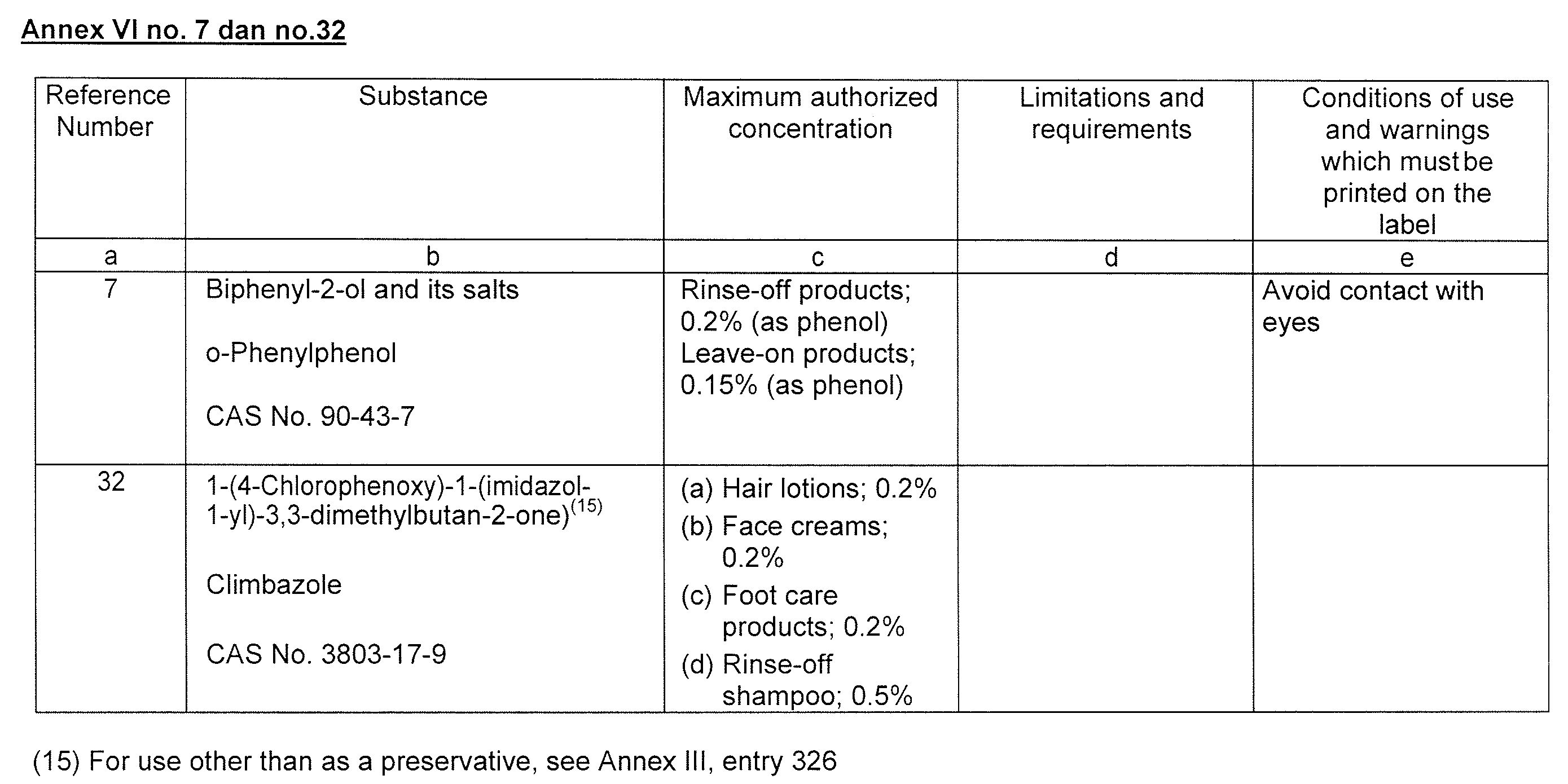
Table C
AnnexⅦ List of UV Filters
The concentration and conditions allowed for Phenylene Bis-Diphenyltriazine is shown in Table D and the effective date is the date of issue of the circular (5th Sept 2019).
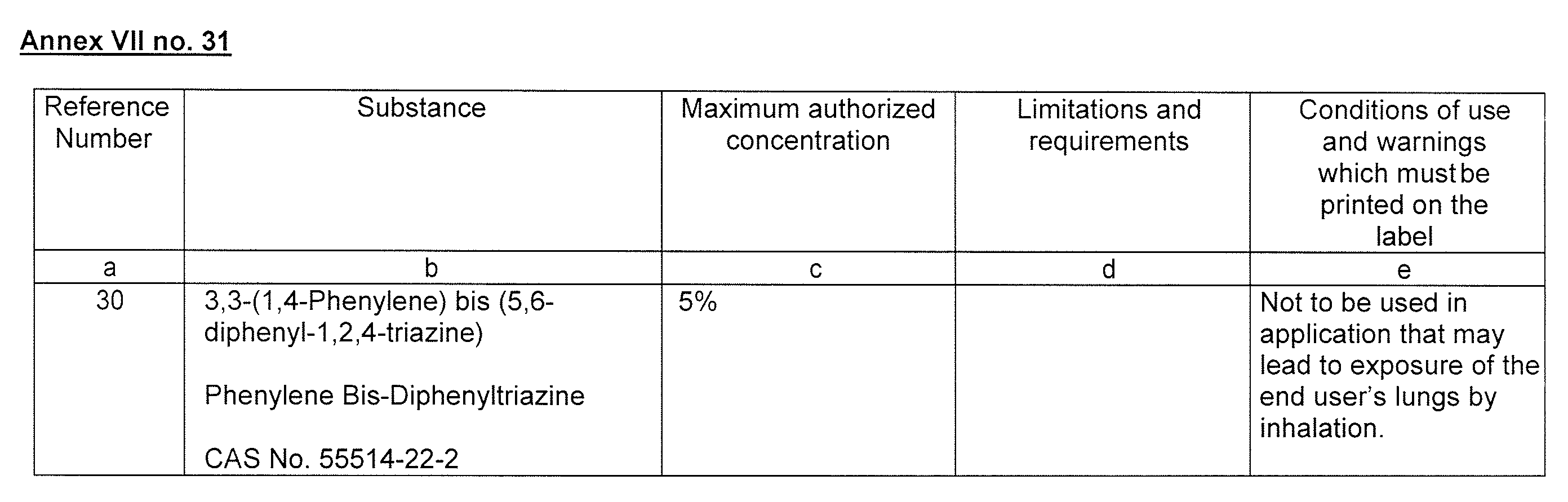
Table D
In addition, the meeting agreed to set the 1,4-Dioxane limit as an impurity in cosmetic products according to the following limitations and timeframes.
- 25 ppm from June 19, 2020
- 10 ppm from June 19, 2023
- 25 ppm from June 19, 2020
- 10 ppm from June 19, 2023
 We provide full-scale global cosmetic market entry services (including cosmetic registering & filing, regulatory consultation, customized training, market research, branding strategy). Please contact us to discuss how we can help you by