Request a Demo
It is reported that Jing Zhu, a member of the Chinese People's Political Consultative Conference (CPPCC), has proposed the abolition of cosmetic consumption tax in a proposal submitted for China’s annual Two Sessions meeting which has started from May 21.
Jing said that cosmetics had become a necessity for people's daily lives in China. The abolition of cosmetic consumption tax is an inevitable requirement to promote reasonable and healthy consumption and drive China's consumption upgrade.
What are the impacts if cosmetic consumption tax is abolished?
High-end Cosmetics
The most recent adjustment of cosmetic consumption tax in China occurred in 2016. China Ministry of Finance and State Administration of Taxation announced that from Oct 1, 2016, the consumption tax for cosmetics would be reduced to 15% from 30% and only levied on high-end cosmetics*. The adjustment was positive for makeup companies and created a boom in makeup sales in 2017.
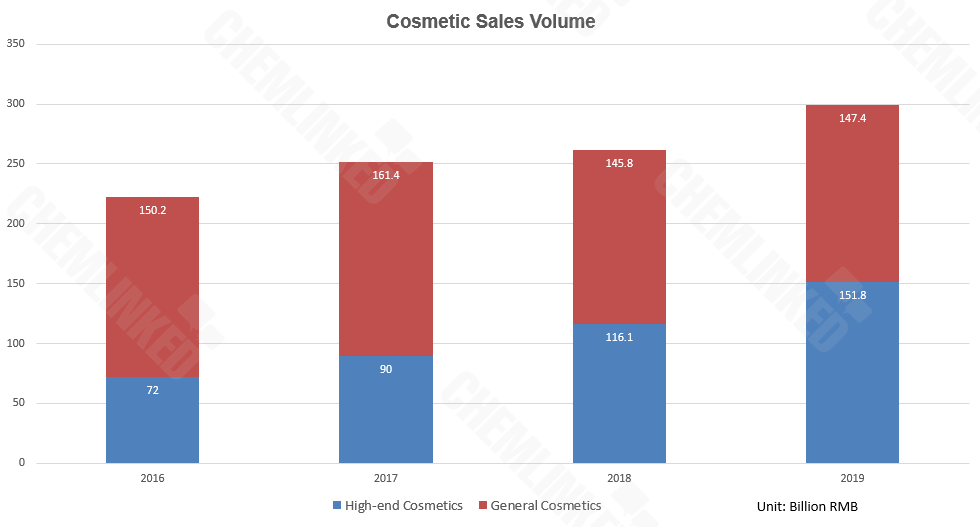
If the cosmetic consumption tax is abolished, high-end cosmetics would be subject to a price reduction and thus appeal to more consumers. It can be expected that high-end cosmetics would undergo a similar boom in sales, especially in the context of the impressive growth high-end cosmetics have maintained over the last several years. The segment's value reached 151.8 billion Yuan in 2019, overtaking the sales of general cosmetics [1].
 For existing high-end cosmetic brands, the abolition would be favorable news on the surface. Still, stakeholders may face intense competition as other brands might add high-end products to their portfolio.
Note*: High-end cosmetics refer to high-end makeup cosmetics, skincare cosmetics, and cosmetic kits with an after-tax wholesale price over 10 RMB/ml (g) or 15 RMB/piece.
CBEC
According to the CBEC tax scheme, within a transaction limit of 5000 RMB per transaction and 26,000 RMB per person per year, CBEC imported products are levied at a tax rate shown as below:
CBEC Comprehensive Tax Rate = [(VAT rate+Consumption tax rate)÷ (1-Consumption tax rate)] ×70%
Under the condition of exceeding the limit, products imported via CBEC will be levied a tax of tariff + VAT + consumption tax.
The abolition of the cosmetic consumption tax will directly contribute to a reduction in CBEC tax and narrow the price gap between domestic goods and imported goods.
How likely is it that cosmetics consumption tax will be abolished?
One expert commented that there is a great possibility that the proposal will pass. The reduction of tax rate and streamlining of taxes is a trend in China’s taxation in recent years. The abolition of cosmetics consumption tax will have little impact on the country's tax revenue. Additionally, due to the impact of COVID-19 on the economy, consumers become cautious about spending and pay more attention to the product price. The government may approve the proposal to stimulate consumption and economic growth.
There is also a view that even if cosmetic consumption tax were canceled, it wouldn’t be implemented in the short term. However, all this is just speculation, and only time will tell whether consumption tax on cosmetics is abolished or not.
 We provide full-scale global cosmetic market entry services (including cosmetic registering & filing, regulatory consultation, customized training, market research, branding strategy). Please contact us to discuss how we can help you by