Request a Demo
On November 4, 2024, the National Medical Products Administration (NMPA) approved the registration of a new cosmetic ingredient, Isobutylamido Thiazolyl Resorcinol (Thiamidol 630), which was the first registered ingredient after the implementation of the Cosmetic Supervision and Administration Regulation (CSAR) in 2021. See more at our news and analysis.
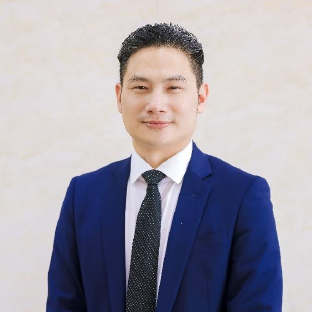
During the 17th Chemical Regulatory Annual Conference (CRAC) held in Hangzhou, China, ChemLinked is honored to invite Ketin Lei, General Manager of Corporate Affairs, Beiersdorf China, to join us for a discussion on the registration of Thiamidol 630, its strategic impact, and more.
Q1: To start with, let's talk about the registration journey of Thiamidol 630. We all know that it was the first new anti-pigment ingredient registered in China under the CSAR. I'm curious how Beiersdorf decided this specific ingredient was worth the significant investment for the registration. Any market insights or the strategies behind this decision?
A1: We need to roll back to 25 years ago. At that time, in the industry, there were people discussing whether we could find a new anti-pigmentation ingredient. Usually, people start from the mushroom as the target for the Tyrosinase. And it's only Beiersdorf who decided that we need to find the right one from human Tyrosinase to start our journey.
We can go back 25 years, and I think this is some kind of DNA in the Beiersdorf. It's the DNA for Beiersdorf for the commitment to scientific research. And also, the DNA for Beiersdorf as the starter or founder, who is a pharmacist, and who set the term for the whole idea. I think it's our destiny.
Q2: That's a fascinating look into the strategic thinking behind this decision. Now that Beiersdorf has achieved this landmark approval, let's talk about impact. What does this success mean for Beiersdorf's strategic positioning in the Chinese market? How will it influence your product innovation, competitive positioning, or the R&D pipelines?
A2: With this patent ingredient, it has already been applied to our face category. Now moving forward, it's coming into our body category. It will cover all categories because you know Nivea is a flagship brand, Beiersdorf's most famous brand. We are going to use this ingredient in the category as much as possible. This gives us something we have but our competitors don't have, and also shows our commitment and our capability in innovation. I think this is what makes us special and different from the others. This is the one we can keep doing for the next three to five years.
Q3: Looking beyond Beiersdorf, the industry is also watching this closely. What signal does the approval of the Thiamidol 630 send to the whole cosmetic industry?
A3: I think there is a very interesting comment from our competitors, saying, "We're jealous, but we don't hate you". In Chinese, they say, "I hate you. You have (the approved ingredient), I don't have." No, it doesn't. This ingredient is the second one that has been approved in Chinese history. The first one we say the nickname is 377 from the German company Symrise. It was done about a decade ago, so only two have been approved.
It has opened the door to show the world that China is now committed to innovation. They not only say that they already did that. This is a very good signal, as you can see from now on in the future we could, and we also personally, as one in this industry, are looking forward to seeing more truly innovative ingredients to be approved because we know one of the most important pillars in the cosmetic industry innovation is the ingredient.
Q4: Reaching this milestone wasn't easy. The registration journey can be long and very challenging. So, based on your experience, what practical advice would you give to other companies preparing for the new cosmetic ingredient registration in China?
A4: You need a team! Team with every expert. You need a team from taxology; you need a team from efficacy; you need a team for the regulatory body; you need a team from the legal; you need a team for the government affairs; also, you need good partners like REACH 24 and ChemLinked.
So, this team is working together, and you also need to manage the process and be prepared. It's going to be a long journey, but I'm sure once you reach your target, you will feel it's very fruitful: we did it!

Q5: Looking ahead, let's talk about the bigger picture. Where do you see the future hotspots of ingredient registration in China, and what strategies can companies adopt to balance the pace of innovation and the investment with the realities of the approval rate and the timelines?
A5: Sometimes you need some kind of quick innovation. But on the other hand, you need to have your reserve for the big innovation. It could come from your own company or come from the corporation with institutions and universities. As I said, we need a pipeline for three years or five years. I see some Chinese companies or local companies that also reach some kind of historical high, and they can compete in the global market or the international market.
I think this is the time for people who play in the industry, whether an international brand or a local brand, to truly go into innovation and not just advertisement. I do believe this is the signal they're sending to the industry. Now it's in the hands of our industry players to follow this trend to do something differently.
Q6: Which innovative ingredient types or areas do you see getting the most buzz in China? And over the next three to five years, which ones do you think have the potential to become the next big trends?
A6: I think the different companies will pick up the different areas to play, and for us, you know, this has been set in our agenda. For the next at least five years, even ten years, as I said, Thiamidol 630 is something that we have already done, and we already have the Epicelline epigenetic coming. Something I can share is that there are lots of innovations around the market, but once you pick up one, you need to do the true innovation and commit to that one.
This also applies to not only the innovation but also the business side. And you choose, there are so many categories in the market. You can play with sun scream; you can play with the body. You pick one, you continue to do that. In our word, it's focus, focus, focus.
Q7: Trends aside, let's connect this to the consumer expectations. With the growing demand for more functional and precise skincare. How do you see ingredient innovation in addressing consumers' real concerns? And for core needs, such as anti-aging or anti-pigment, have you ever seen any new ingredient solutions standing out?
A7: Cosmetics is not only cosmetics these days, as I said on many occasions, because we are in a true innovation beneath the surface, as I said last year. But on the other hand, cosmetics is still cosmetics. And what I mean is. Ingredients are part of the technology. It's one of the reasons for consumers to buy. On the other hand, we still needed the upper level, that is, the emotional effect that makes people feel. I want to have this kind of feeling. We see this year's perfume is performing very well in the Chinese market. Perfume gives you the emotional benefits you'd like to have.
It's not only the way we say I have the best ingredient in the world. I have the rocket science. My business is going to boom. They're not 100% equal to each other. It's only the ingredient that gives us the sharp weapon, but other competitors don't have. But still, you need the marketing and sales teams working together to make this turn into the top line. I cannot say which ingredient is best. Still, of course, our one has the special approval at the 001.
But I said, we still need to work very hard for marketing. Salespeople need to keep delivering not only the reason to buy, but also the emotional benefits to our consumers, to make consumers buy something that truly benefits their skin.
Q8: Finally, I would like to broaden the lens to the global R&D trends. We know that "sustainability" and "green chemistry" are major drivers of R&D worldwide. How is this trend influencing ingredient innovation in China? Under China's strict regulatory framework, what do you see as the prospects or pathways of registering green ingredients?
A8: For Beiersdorf, we have made our commitment to replace virgin plastics, etc. For example, even for the local brands, Maestro is a local brand we acquired in 2007. Since last year, we have replaced virgin plastics with recycled ingredients and recycled aluminum for the packaging. Of course, it increases our cost a lot. I would say we need to think about sustainability on the ingredients and sustainability on the package. And on the other hand, we all need to consider the sustainability of the continuity of the business.
In China, we see companies, for example, our Pioneer listing companies, they're doing their best. They also have their agenda on this one. I think it's a long journey we have already started, and we also see Chinese companies being there. It's industry coworkers, not only the ingredients, but also the packaging, supply chain, etc. Finally, I think we are in China for China. We need to think about our country's whole agenda. We're just part of them. We play our part, and we play our power. So far we're doing well, but still lots of things to be done.
REACH24H Consulting Group, the founder of ChemLinked, as a third-party compliance service provider, assisted Beiersdorf Group in successfully obtaining the registration approval. If you have any compliance needs regarding new cosmetic ingredient notification or registration, please contact us at [email protected].
 We provide full-scale global cosmetic market entry services (including cosmetic registering & filing, regulatory consultation, customized training, market research, branding strategy). Please contact us to discuss how we can help you by