Request a Demo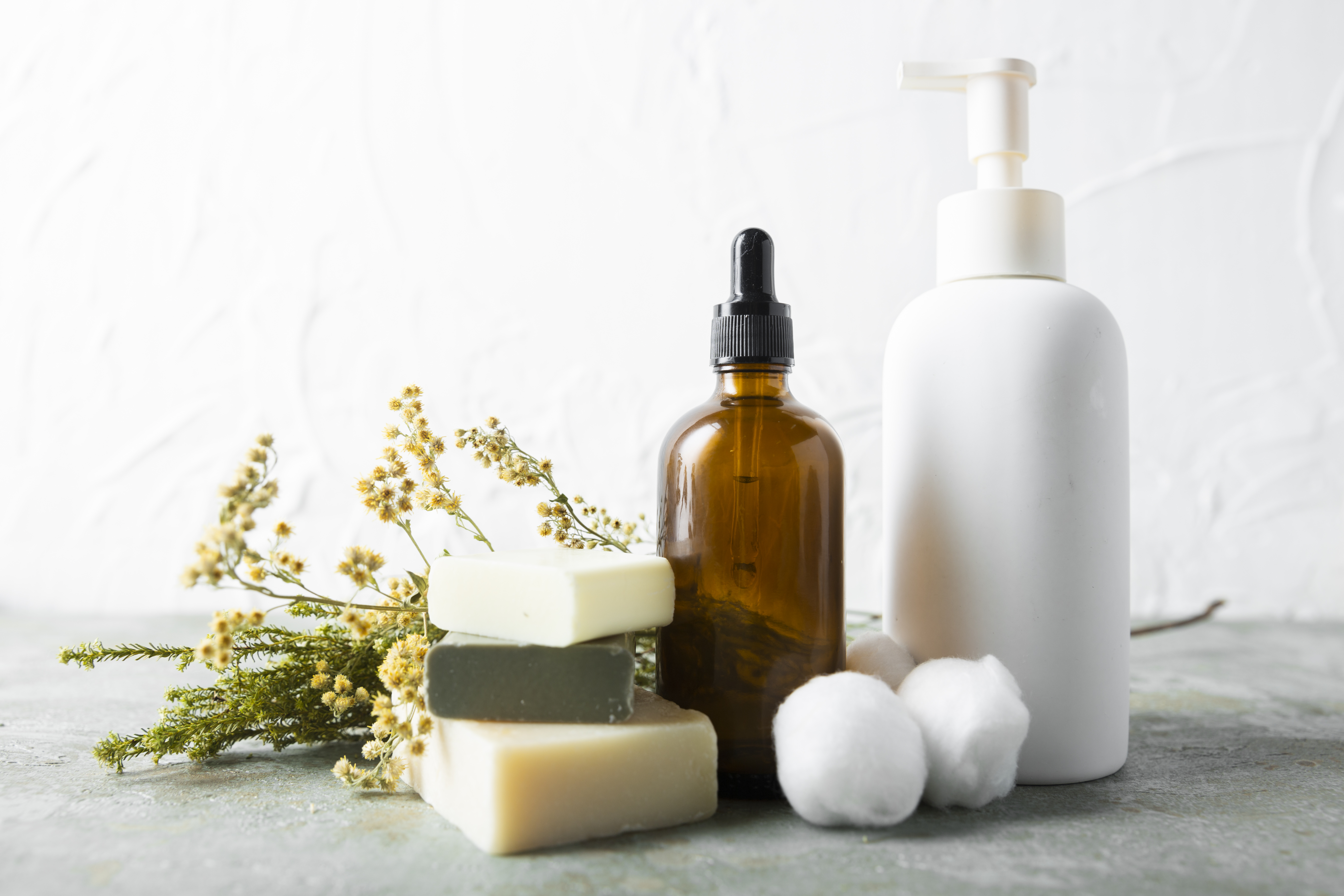
In an effort to reduce waste and support a sustainable lifestyle, the refillable cosmetics trend is increasingly becoming an eco-friendly option for beauty consumers in Indonesia. By minimizing single-use packaging, these products help curb plastic waste, aligning with Indonesia's national goals for environmental sustainability.
This article provides a consolidated overview of Indonesia's regulatory requirements applicable to refillable cosmetics, including definitions, permitted product categories, sales application, labeling rules, and the evolving framework governing refillable perfumes.
1. Definition
1.1 Refillable Cosmetics
Refillable cosmetics are cosmetic products repackaged into containers at a cosmetic refill facility, based on consumer request. A cosmetic refill facility may be operated directly by the notifier or by another cosmetic business entity in cooperation with the notifier.
1.2 Refillable Perfumes
A notable subcategory is refillable perfumes. Refillable perfumes are perfume preparations produced directly at the refill facility through the mixing of fragrance concentrates and solvents according to consumer demand. Indonesia introduced a draft regulation specifically addressing refillable perfumes.
2. Permitted and Prohibited Product Categories
Only the following product classes may be manufactured and distributed as refillable cosmetics:
Liquid bath soap
Liquid antiseptic bath soap
Liquid hand soap
Shampoo
Anti-dandruff shampoo
Hair conditioner
Baby cosmetics are explicitly prohibited from being manufactured or distributed in refillable form.
3. Existing Regulatory Framework
Indonesia regulates refillable cosmetics through multiple instruments addressing production, distribution, licensing, labeling, and online sales. Key regulations include:
Regulatory Theme | Regulations | Key Provisions for Refillable Cosmetics | Implementation Date |
|---|---|---|---|
Manufacture & Circulation | BPOM Regulation Concerning Supervision on Manufacture and Circulation of Cosmetics | Approval requirement for the sale of refillable cosmetics; product inspection methods and items | March 28, 2023 |
Labeling | BPOM Regulation Concerning Cosmetic Labeling, Promotion, and Advertising | Mandatory labeling items and general labeling principles | November 28, 2024 |
Sales Application Dossiers | Regulation concerning Service Standards for the Directorate of Standardization of OTSKK | Required dossiers for approval of refillable cosmetic sales | June 18, 2025 |
Business Licensing | Exemption of refillable perfumes from product notification | October 3, 2025 | |
Online Distribution | BPOM Regulation Concerning the Control of Drug and Food Online Distribution | Prohibition on online sales of refillable cosmetics | August 5, 2024 |
Refillable Perfumes (Draft) | BPOM Regulation Concerning the Control of Refillable Perfume (Draft for Comments) | Proposed manufacturing, sanitation, documentation, labeling, inspection and enforcement requirements | Draft |
4. Compliance Requirements for Refillable Cosmetics
4.1 Sales Application Requirements
Before any refillable cosmetic product may be sold, the notifier or refill facility operator must obtain approval from BPOM. BPOM will evaluate the submission for safety, efficacy, and quality.
The sales application must include:
A proposal to sell cosmetics at the refill facility, in accordance with applicable regulations;
The valid notification number(s) of the cosmetics to be refilled;
Details of the refill facility to be used;
A cooperation agreement, if the sales are conducted by a business entity other than the notifier.
Eligibility Criteria
To qualify for approval, the notifier or refill facility operator must ensure:
Only cosmetics with valid notification numbers are refilled;
A compliant cosmetic refill facility is available for use;
A cooperation agreement is in place where applicable;
Adequate sanitation and hygiene measures are implemented;
Required technical documentation is maintained;
Sufficient storage facilities are provided.
4.2 Labeling Requirements
Refillable cosmetics must comply with the foundational labeling principles established by BPOM:
1) Completeness: All mandatory information must be provided;
No. | Mandatory Labeling Item |
|---|---|
1 | Cosmetics name |
2 | Batch number |
3 | Expiration date |
4 | Notification number |
5 | Name and address of cosmetic refill facility |
6 | Refilling date |
2) Objectivity: Claims must accurately reflect product properties and efficacies and must not deviate from safety standards;
3) Non-misleading presentation: Labels should provide honest, accurate, and accountable information, avoiding exploitation of public health concerns;
4) No drug-like claims: Labels may not imply pharmacological effects or disease prevention;
5) Clarity and legibility: Information must be clear and easily legible;
6) Durability: Labels must remain intact, legible, and undamaged, avoiding easy separation and fade from the packaging.
5. Draft Regulatory Requirements for Refillable Perfumes
On September 2, 2022, BPOM released a draft regulation specifically addressing refillable perfumes. Under the draft, manufacturers of refillable perfume products must ensure compliance with applicable Technical Requirements for Cosmetic Ingredients and the detailed requirements defined under the Guideline for Cosmetic Good Manufacturing Practice.
5.1 Manufacturing Requirements
The draft regulation introduces requirements in six key areas:
1) Factory design and manufacturing facilities
2) Ingredients and packaging materials
3) Environmental sanitation
4) Storage conditions
5) Documentation
6) Labeling
5.2 Permitted Ingredients
No. | Permitted Ingredients | General Requirements | Detailed Requirements |
|---|---|---|---|
1 | Fragrance concentrate | The ingredients used shall
| Must have a CoA. This requirement also applies to fragrance ingredients derived from plant distillation. |
2 | Solvent | The solvents used can be
| |
3 | Other ingredients that meet quality and safety standards | Other ingredients can be used in the form of perfume aroma enhancer (fixative) that meet Technical Requirements for Cosmetics Ingredients. |
5.3 Documentation Requirements
Manufacturers must maintain at least the following:
Procurement documents for ingredients and packaging materials
Inventory records or stock cards for ingredients and packaging materials
Manufacturing records (product name, manufacturing date, composition/formula, batch number)
Sales records
5.4 Packaging Requirements
Packaging materials must:
Be inert and non-reactive with perfume ingredients;
Be cleaned before use;
Not be washed with methanol;
Be supplied either by the manufacturer or provided by consumers.
Note: These requirements are contained in a draft regulation and are subject to change upon final issuance.
6. Other Regulatory Obligations
1) Refillable perfumes are exempt from product notification requirements;
2) Refillable cosmetics may not be sold online under BPOM's e-commerce control regulation;
3) Under the 2023 draft Regulation on Cosmetic Adverse Reaction Monitoring, notifiers must report adverse reactions associated with refillable cosmetics.
Indonesia's regulatory framework for refillable cosmetics is expanding as regulators seek to balance sustainability goals with consumer safety. Companies intending to manufacture or distribute refillable cosmetic or perfume products in Indonesia should closely monitor regulatory developments, particularly the finalization of the refillable perfume regulation, while ensuring full compliance with approval, facility, labeling, and operational requirements.

 We provide full-scale global cosmetic market entry services (including cosmetic registering & filing, regulatory consultation, customized training, market research, branding strategy). Please contact us to discuss how we can help you by