Request a Demo
As Chinese consumers increasingly seek skincare solutions that are both gentle and effective, enzyme-based skincare is gaining momentum. The trend is fueled not only by rising demand for at-home light medical aesthetic treatments but also by a broader shift toward biotechnology in cosmetics, where skin health is prioritized and natural physiological processes are respected. Positioned as a milder alternative to traditional acid exfoliation, "enzyme peeling" is capturing attention from both brands and consumers, signaling potential for growth in this category.
This article explores the current market landscape, industry challenges, and the future directions of enzyme skincare.
1. Understanding Enzymes in Skincare
Enzymes are biological catalysts—proteins that accelerate specific chemical reactions. In skincare, they act as "molecular scissors," selectively breaking down substances such as dead skin cells while leaving healthy tissue untouched.
For exfoliation, proteolytic enzymes are commonly used. They dissolve the protein bonds (keratin) that hold dead skin cells together, enabling gentle, natural shedding. This mechanism contrasts with chemical exfoliants such as alpha-hydroxy acids (AHAs) and beta-hydroxy acids (BHAs), which lower the skin's pH to dissolve intercellular lipids or corneocytes.
Key advantages of enzymes in skincare include:
Gentleness: Minimized risk of irritation.
Precision: Targets only dead skin cells.
Non-destructive action: Supports natural skin renewal rather than forcefully stripping the stratum corneum.
Common enzyme ingredients include Papain (from papaya), Bromelain (from pineapple), and various proteases and lipases derived from fermentation. Some brands have developed proprietary enzyme complexes, such as YOU&PURE's 3X Smart Enzyme, which combines multiple enzymes to provide a range of benefits.
2. Market Dynamics
The growing interest in enzyme technology is evident in the recent wave of product launches by both established and emerging brands. These products generally follow two main strategies: 1
1) Acid-Free Enzyme Skincare
These products are positioned as gentler alternatives to acid-based treatments, appealing to consumers with sensitive skin or those cautious about high-potency actives.
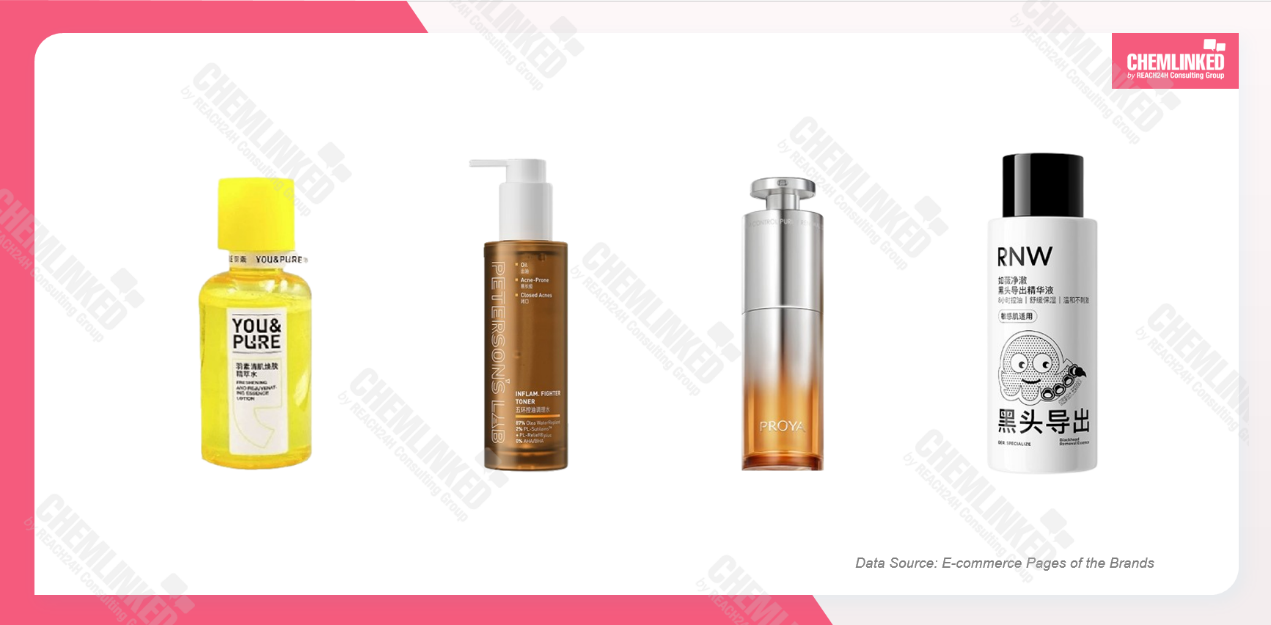
YOU&PURE Freshening and Rejuvenating Essence Lotion: Features the 3X Smart Enzyme and provides an acid-free solution for blemishes.
Peterson's Lab Inflam Fighter Toner 3.0: Contains 2% PL-Sutilains™ for mild care of oily, acne-prone skin.
Proya Control Purifying Lotion: Uses enzymes to "nourish and polish" the skin.
RNW Enzyme Range: Includes a Blackhead Removal Essence and Purifying Cleanser with dual-enzyme polishing technology.
2) Acid + Enzyme Synergy
This approach combines enzymes with acids, offering a balance between efficacy and gentleness.
Lancôme Clarifique Clarifying Refining Double Treatment Essence: Combines salicylic acid with papain for refined exfoliation.
C-Ka Pore-Refining Essence: Formulated with three acids and three enzymes, claiming a solution that is "gentler than acid peeling, more efficient than enzyme peeling."
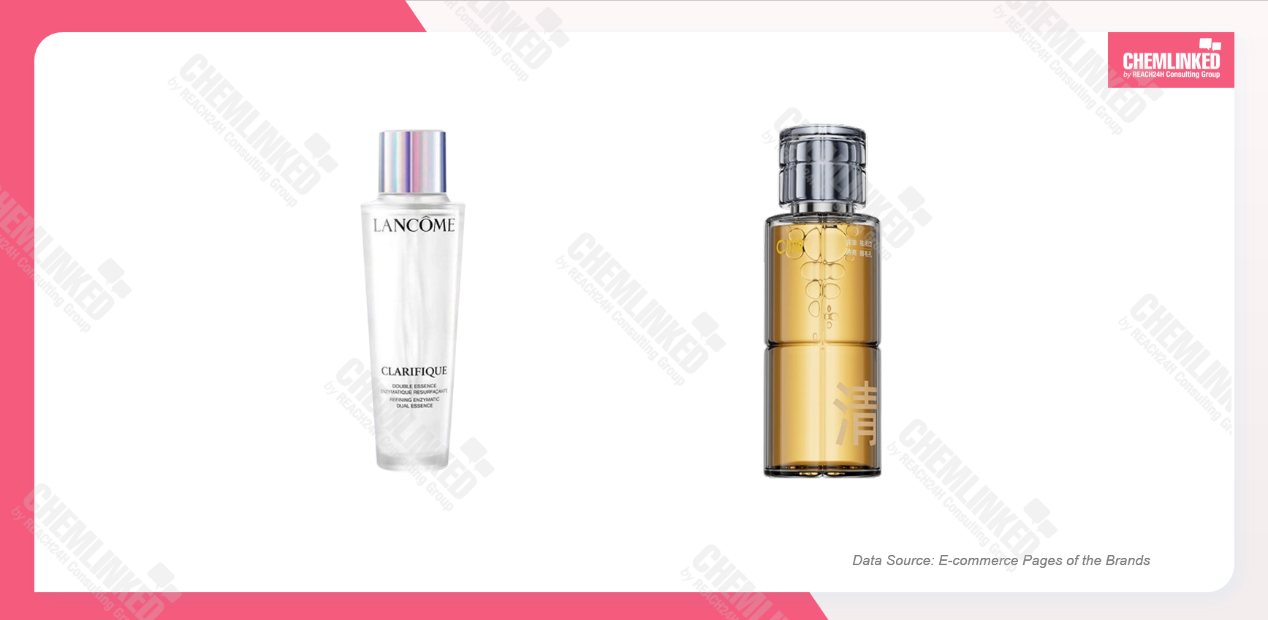
Upstream OEMs, such as NOX-BELLCOW (NBC) and Keying Group, have also launched enzyme-based skincare lines, demonstrating that the trend is permeating the entire supply chain.
3. Industry Challenges
Despite its promise, enzyme skincare faces technical and market hurdles: 1
1) Enzyme Instability and Lack of Standardized Efficacy Metrics
 We provide full-scale global cosmetic market entry services (including cosmetic registering & filing, regulatory consultation, customized training, market research, branding strategy). Please contact us to discuss how we can help you by