Request a Demo
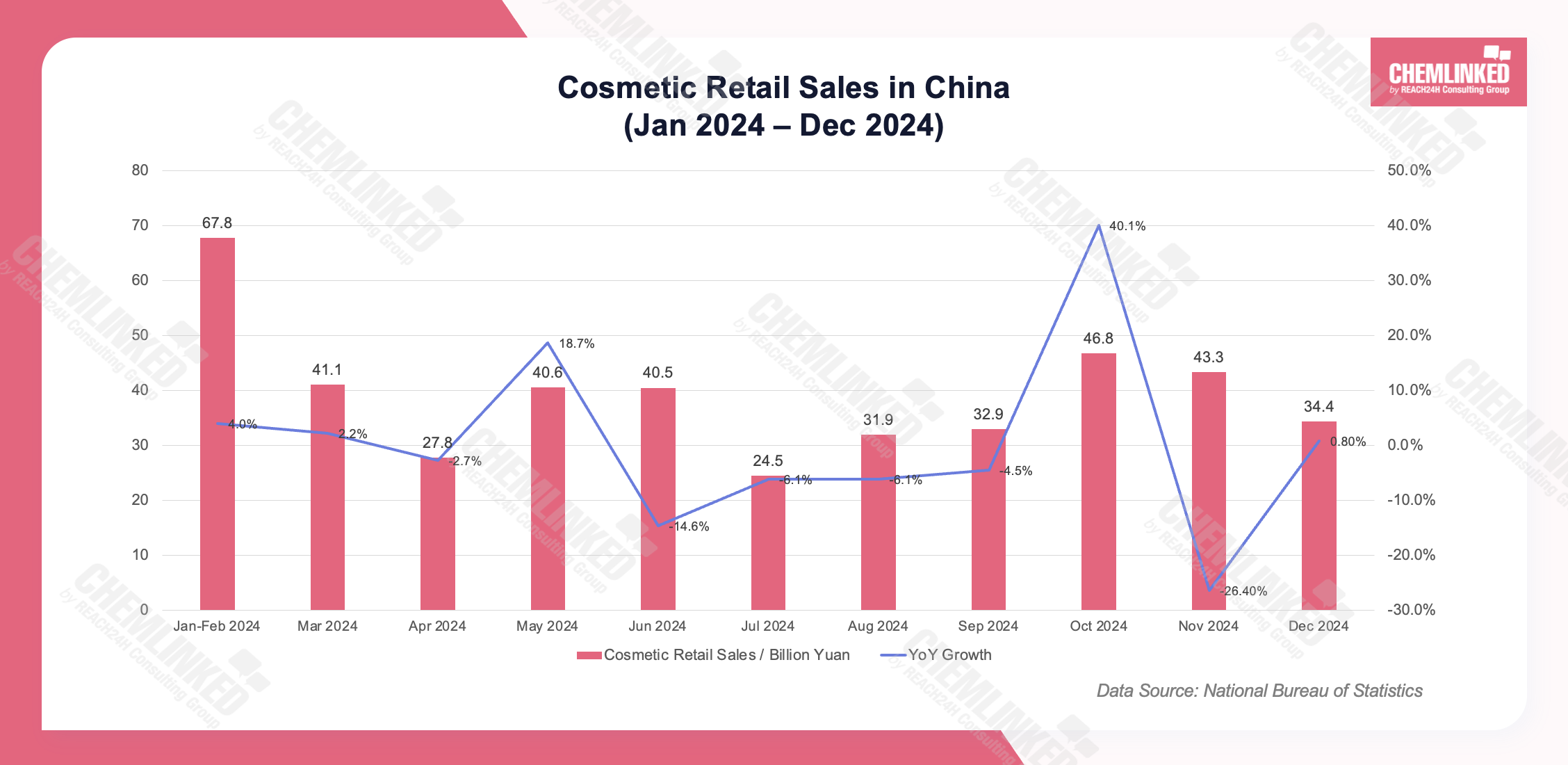
In 2024, China’s cosmetics sector is becoming increasingly saturated amidst the global economic slowdown and heated market competition. According to data from the National Bureau of Statistics, the total retail sales of cosmetics from January to December 2024 amounted to 435.7 billion yuan, marking a 1.1% decline compared to the previous year.
Last year, the beauty industry was characterized by intense competition, widespread store closures, and layoffs. As we look towards 2025, what trends can we expect in the beauty industry? ChemLinked has identified several notable trends in consumer behavior, product categories, and technological innovation, offering some insights to help stakeholders uncover potential business opportunities in this increasingly competitive landscape.
Consumer Trends
1) Sustainable and Ethical Consumption
With the intensifying climate change and rising environmental awareness, consumers are increasingly seeking a meaningful connection between ethical practices and effective beauty solutions. Brands are expected to carefully consider their environmental and ethical footprints.
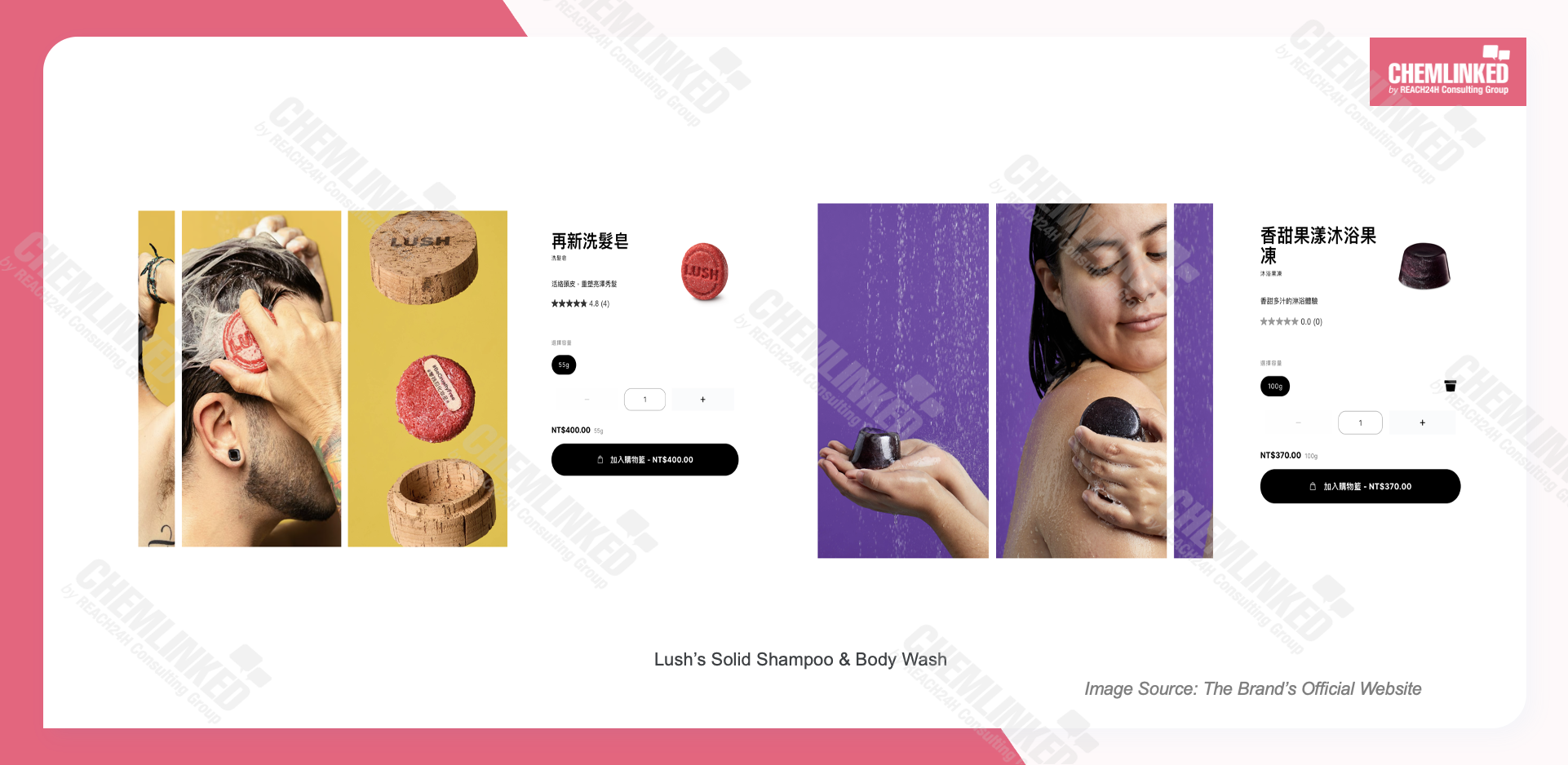
A growing number of beauty companies are adopting renewable resources and biodegradable materials for product packaging or reducing energy consumption and carbon emissions. For instance, Lush has gained widespread recognition for its innovative “naked” product philosophy by minimizing packaging and plastic usage in its solid cosmetics, including solid shampoos and soaps. By doing this, the brand has successfully captured the attention of environmentally conscious consumers. Additionally, vegan and cruelty-free products are in increasing demand, showing a strong preference for plant-based ingredients and formulations free from animal testing.
Looking ahead to 2025, sustainability and ethical practices will remain a key focus, driving innovation and shaping the industry’s future. Beauty companies will intensify their efforts in these areas to align their products with the evolving values and expectations of conscious consumers.
2) The Fusion of Beauty and Health
As consumers become more health-conscious, the lines between beauty and health are increasingly blurring. The overlapping market of “beauty” and “health” are expanding, unlocking potential for the industry. This trend reflects a growing demand for products supporting both appearance and well-being.
For instance, the rise of oral beauty products, such as innovative snack items like blueberry collagen peptides, enzyme jellies, and other gummy products, is gaining traction. Cross-border collaborations between beauty and health foods are emerging, with product sets that combine the concepts of skincare and nutrition. This fusion of external skincare and internal health care offers a holistic approach to beauty and wellness.
Looking ahead, beauty brands will focus on health-oriented solutions, aligning with consumers’ increasing awareness of the intrinsic connection between beauty, health, and self-care.
Product Trends
As market competition intensifies, beauty brands are increasingly focusing on niche segments and continuously innovating with ingredients and formulations to secure their position in the market. In 2025, four product categories are expected to hold a competitive advantage.
1) Anti-Aging Products
Technology-driven anti-aging care is expected to further develop in 2025, supported by increasing consumer awareness and advancements in scientific research. According to data from Qingyan, as of November 2024, skincare products targeting anti-aging have accounted for over 40% of the Chinese cosmetics market, with a growth rate exceeding 30% for two consecutive years. Classic anti-aging compounds such as peptides, retinol, and botulinum toxin, as well as innovative ingredients like recombinant collagen, are becoming a product matrix with scientific advancements and delivering more precise and effective anti-aging solutions.
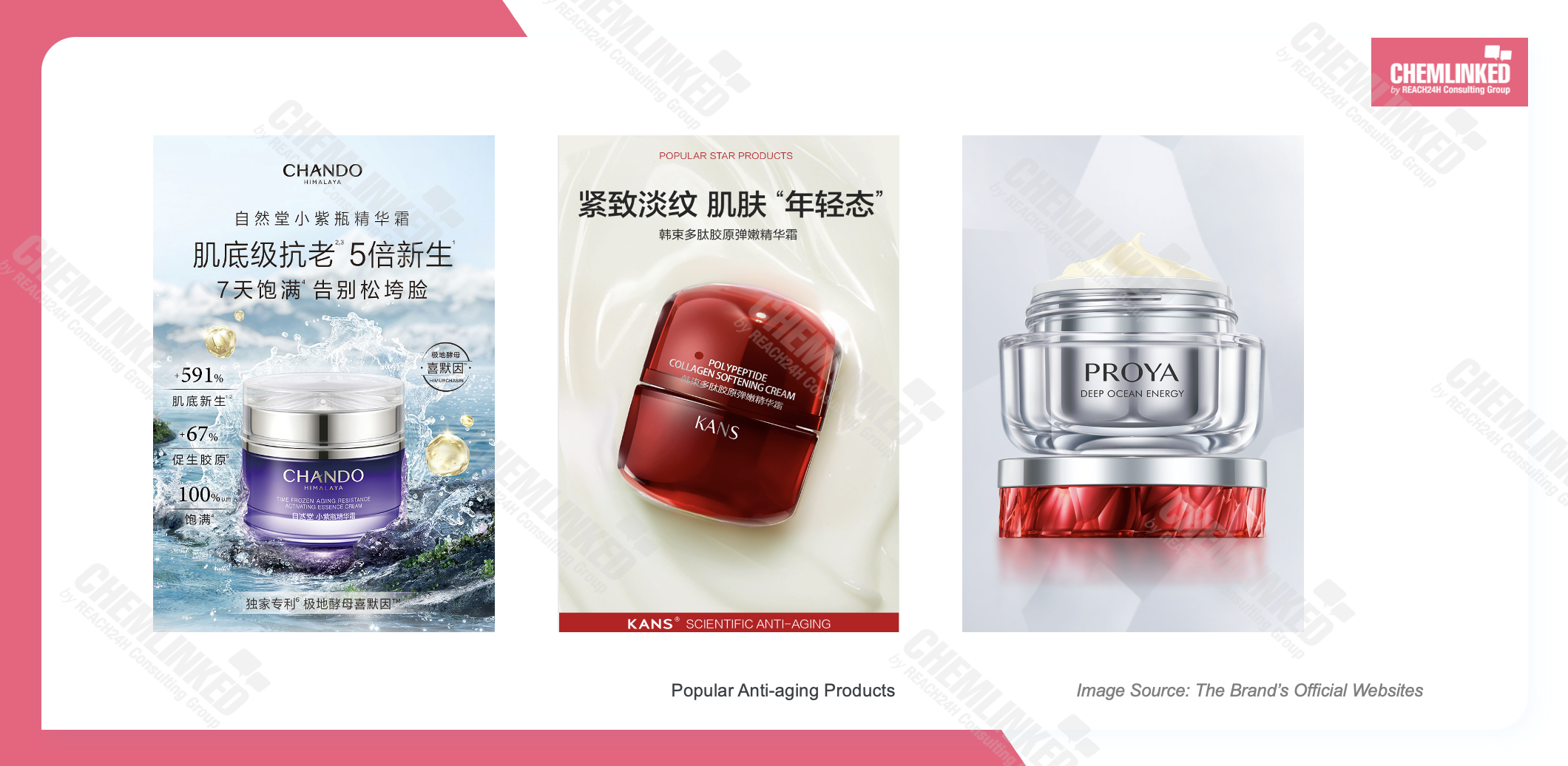 In 2025, anti-aging and wrinkle reduction are expected to lead the functional skincare market in the foreseeable future.
2) Whitening Products
In addition to anti-aging, whitening has been a long-standing focus in the skincare industry and is expected to gain even more momentum in 2025. According to data from Qingyan, the market of whitening and spot-removal cosmetics in China reached 106.8 billion yuan as of October 31, 2024, marking a year-on-year (YoY) growth of 5.9%. This upward trajectory is projected to continue, with the market expected to surpass 150 billion yuan by 2027, which underscores the segment’s robust potential for continued growth and promising future despite the overall economic slowdown.
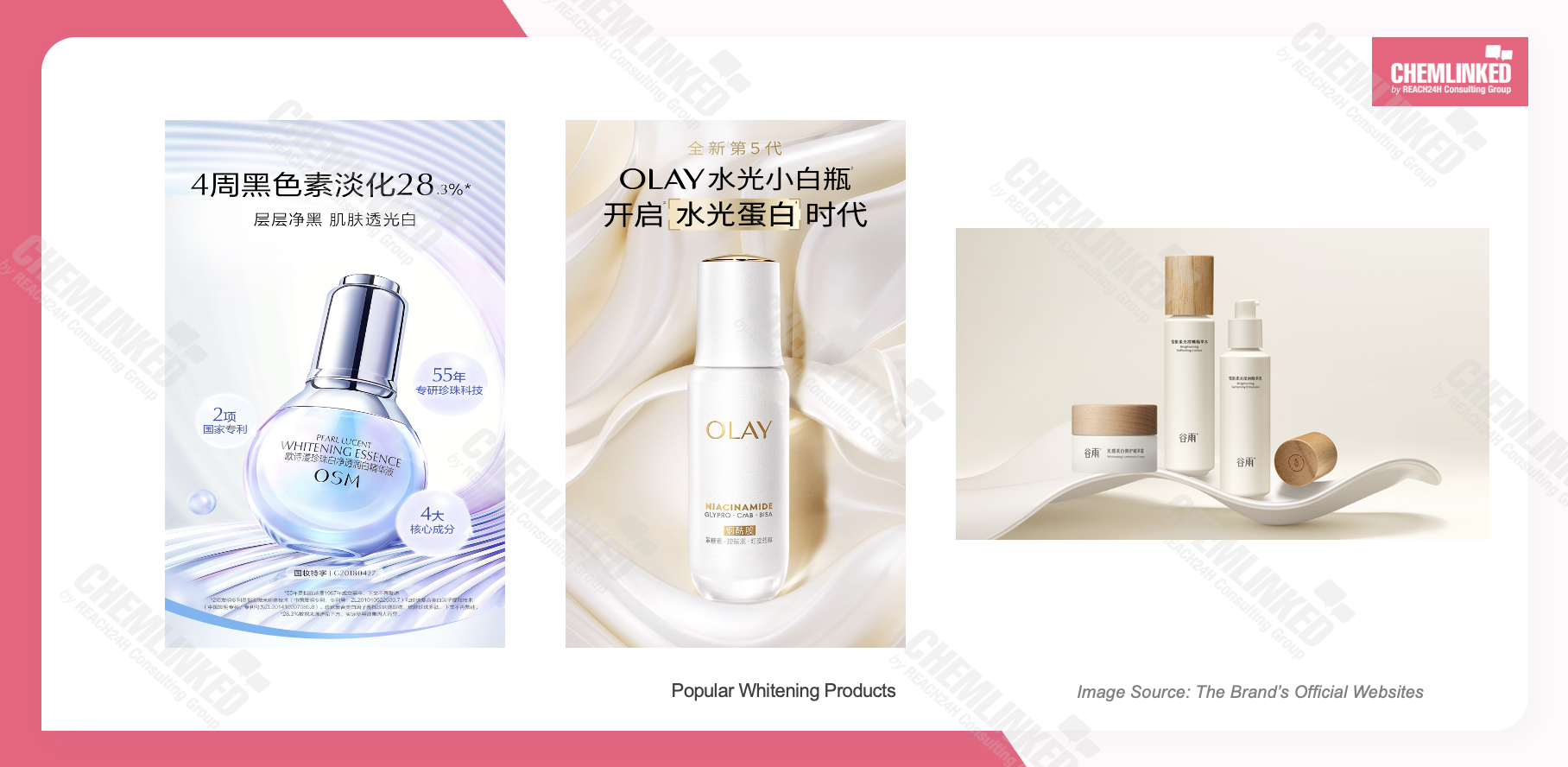 Furthermore, in November 2024, the first whitening agent, Thiamidol 630, was successfully registered under the Cosmetic Supervision and Administration Regulation (CSAR) framework. This milestone has sparked widespread excitement and confidence within the industry.
3) Hair Care Products
Hair care products are expected to be another promising category this year. As consumers increasingly prioritize health and beauty, the shampoo and hair care market has been experiencing steady growth. According to Feigua data, from January to November 2024, sales of shampoo and hair care products on Douyin reached 14.715 billion yuan, marking a 39.2% YoY increase. Among various subcategories, the fastest-growing is the leave-in shampoo spray, which saw a 241.5% YoY increase, followed by scalp care products targeting anti-hair loss and hair growth, which rose by 136.1%.
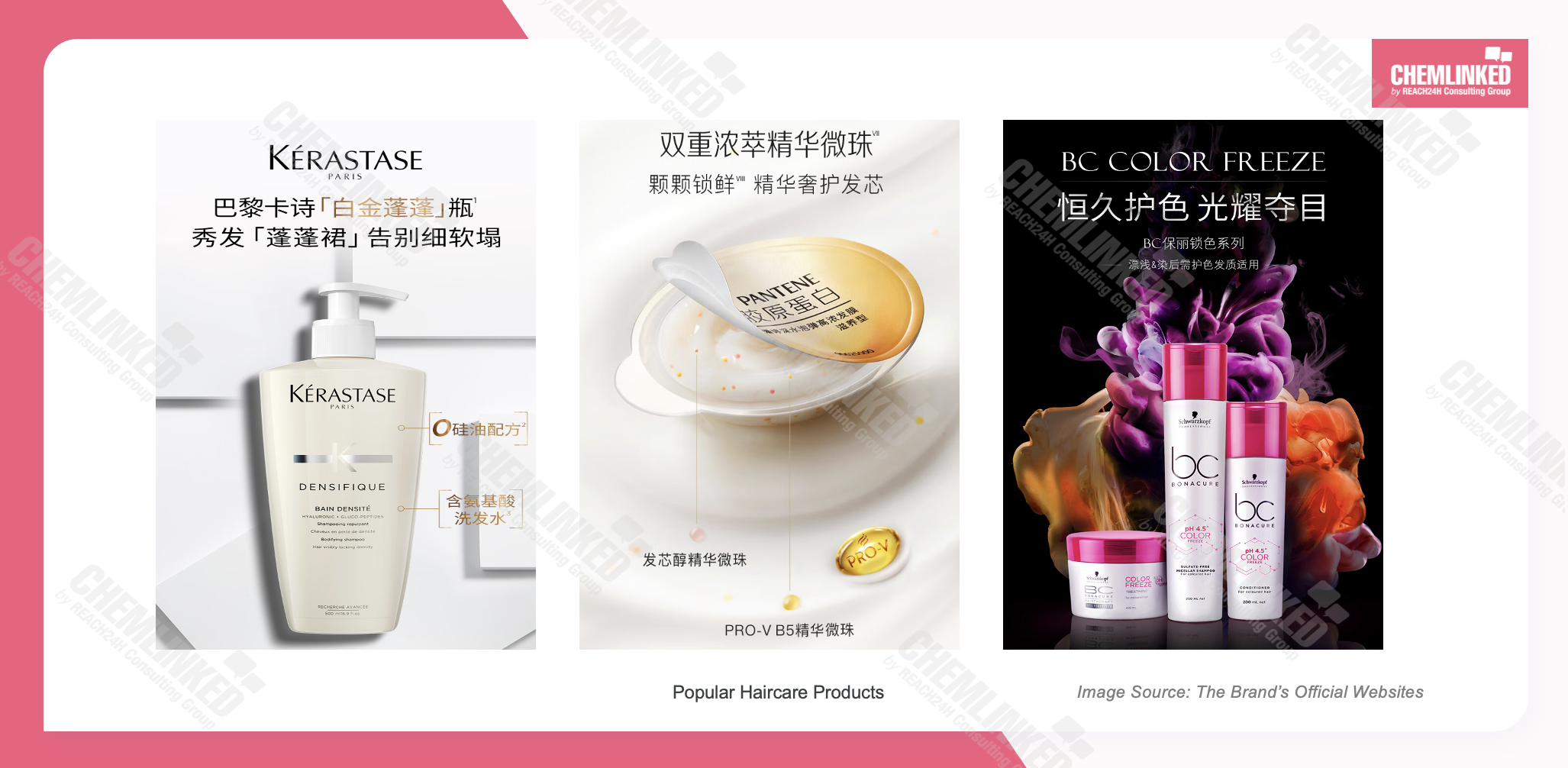 Customer demand for refined efficacy has become a core trend. Their choices of shampoo and hair care products are no longer limited to basic cleansing but are increasingly focused on product effectiveness and personalized experiences to precisely address their specific needs, including scalp health, dandruff, hair loss prevention, oil control, color protection, etc. Major domestic and international brands are advancing their hair care products across multiple dimensions, including efficacy, ingredients, and application scenarios. As a result, the intensified competition within the hair care market has become inevitable.
4) Sunscreen Products
In 2025, sunscreen products are also expected to gain more attention from consumers. With the increasing awareness and understanding of sun protection, consumers’ demands for sunscreen products have seen notable growth and become increasingly refined. Sunscreen products are catering to a variety of usage scenarios. For example, for outdoor sports enthusiasts, professional outdoor sunscreens with features like water resistance and high-level protection are becoming an emerging consumer trend.
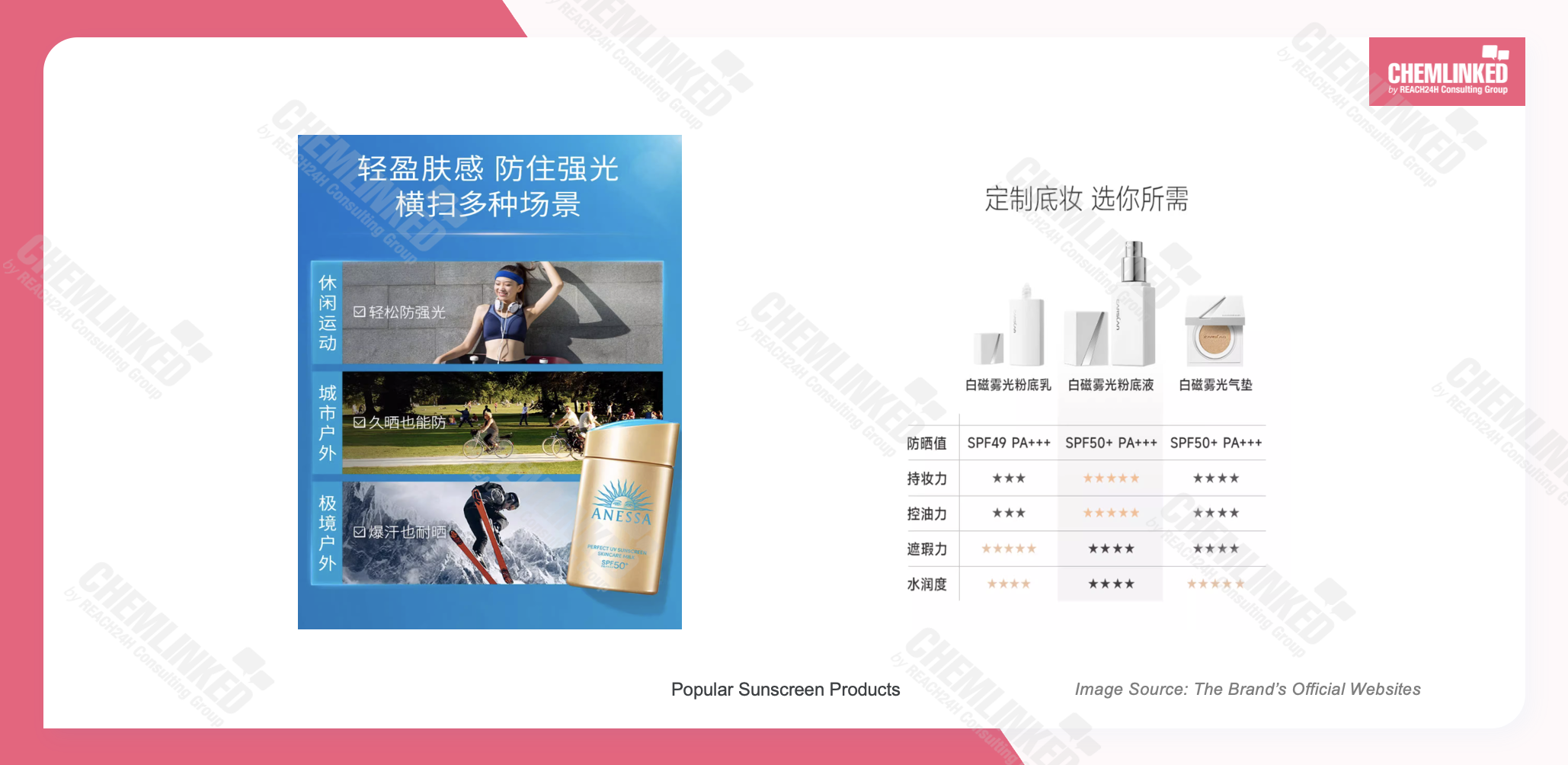 Moreover, consumers are requesting more functional demands on sunscreen products. In addition to offering basic UV protection, sunscreens are gradually evolving into multifunctional, composite products, such as sunscreen foundations, sunscreen setting sprays, and sunscreen lip balms combining sun protection with makeup. This “Sunscreen+” trend enhances the functional value of products and opens new growth opportunities for the sunscreen category.
Innovation Trend: AI Technology’s Growing Influence
With the rise of DeepSeek at the beginning of 2025, AI technology captures widespread attention once again. From product R&D to marketing strategies and customized customer services, AI is gradually reshaping every aspect of the beauty industry.
Traditionally, the development of new beauty products takes years, requiring beauty companies to extensively collaborate with laboratories, study ingredients, and test formulas to ensure product safety, stability, and efficacy. However, AI technology can significantly speed up this process by analyzing ingredients, formulas, and existing product data to identify suitable ingredients for new products, predict product efficacy, and recommend formulations.
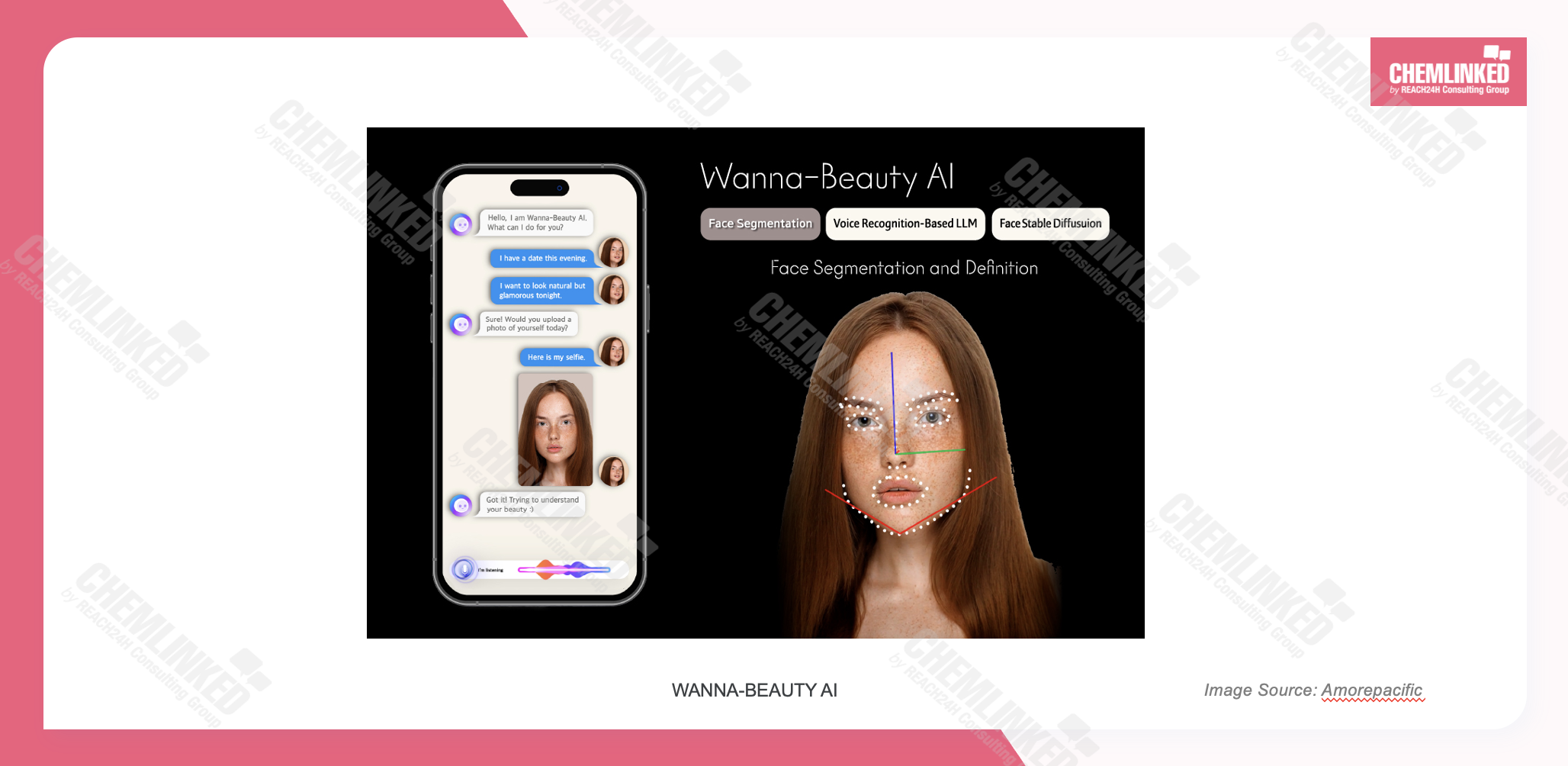
Moreover, AI and big data analysis enable brands to better understand consumer needs, offering personalized product recommendations and marketing strategies. For example, AmorePacific launched “WANNA-BEAUTY AI,” a voice-activated chatbot that utilizes algorithms to analyze consumers’ skin tones and facial features. The platform provides tailored makeup recommendations and enables virtual product trials, offering customers a sophisticated and personalized beauty consultation experience.
In 2025, the profound integration of AI technology within the beauty industry is driving a comprehensive digital transformation and paving the way for more convenient, intelligent, and customized beauty solutions for consumers.
Strategic Layout Trends
1) Omnichannel Integration
In 2025, integrating online and offline channels will become a key strategy for beauty brands. While online platforms continue to dominate, data from Bain reveals that in the first three quarters of 2024, offline sales in China’s fast-moving consumer goods market grew by 1.8%, while e-commerce channels saw a slight dip of 0.6%. As consumers increasingly seek immersive, personalized interactions, offline experiences are regaining their position in the market.
Many beauty companies have already started returning to offline spaces, focusing on a seamless online and offline omnichannel strategy. For instance, many beauty brands create immersive interactions such as pop-up stores and co-branding with popular IPs to attract customers. In 2025, brands with multi-channels that prioritize experience and interaction and enhance brand awareness and consumer loyalty are expected to gain a competitive edge.
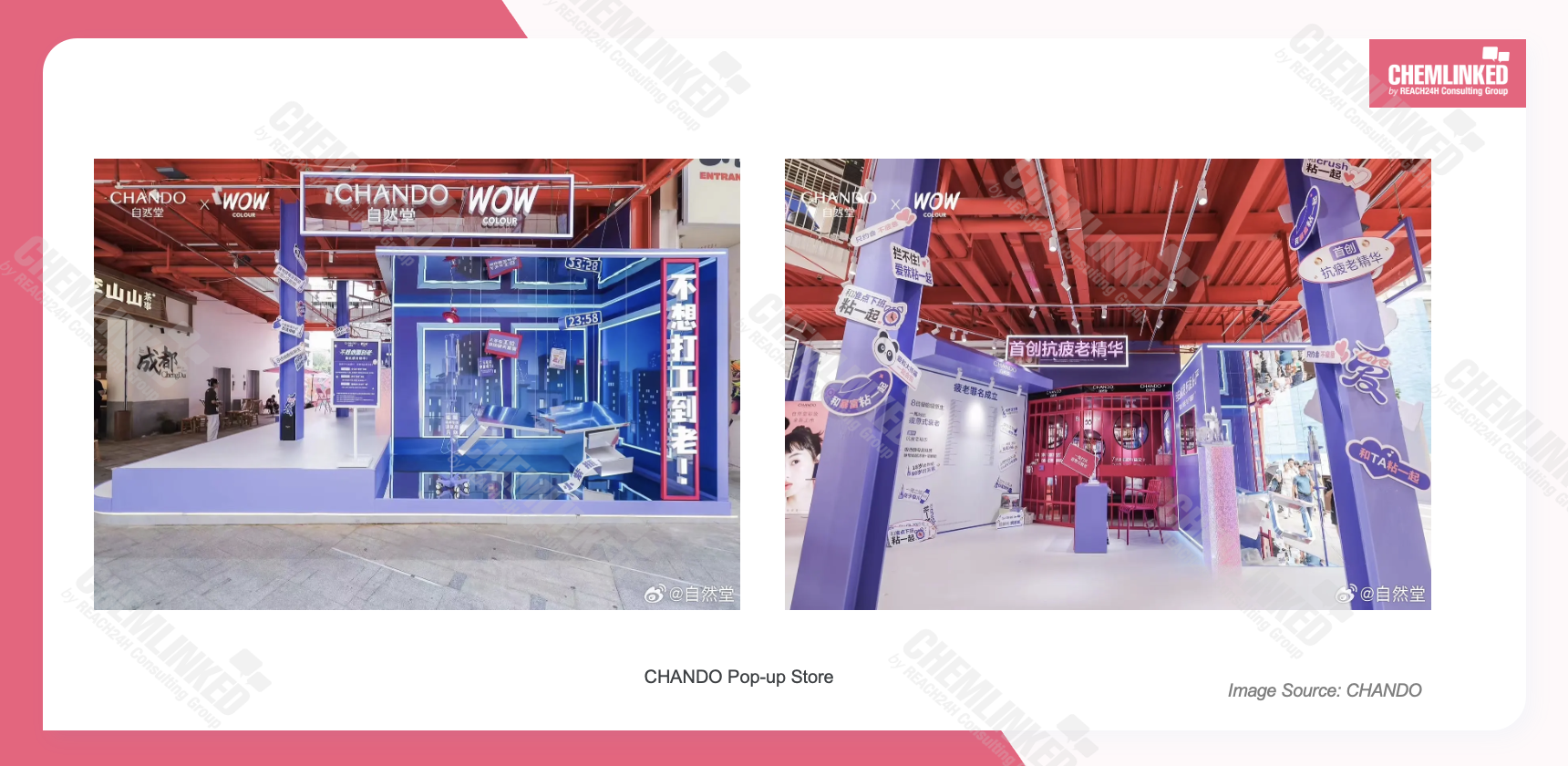
2) Domestic Beauty Brands Expand Globally
In recent years, Chinese domestic beauty brands have significantly increased their investment in research and development while maintaining strict quality control, which steadily boosts consumer confidence in local products. At the same time, through innovative marketing strategies, such as integrating traditional Chinese cultural elements into their products, they have successfully captured the attention of younger consumers and expanded their market share.
Amid the economic slowdown, actively seeking opportunities abroad and exploring new growth curves become vital for beauty brands. Additionally, the Ministry of Commerce is actively creating a favorable overseas environment, supporting Chinese enterprises to expand their business overseas. In 2025, Chinese beauty brands will continue to leverage localization strategies and digital innovations to penetrate markets such as Southeast Asia and the Middle East, strengthening their global influence. By tailoring products to regional preferences and incorporating cultural trends, these brands aim to make a significant impact on the global stage.
Conclusion
The 2025 Chinese cosmetics market will be shaped by a combination of consumer-driven trends, technological advancements, and strategic innovations. Brands that embrace sustainability, leverage cutting-edge technology, and adopt forward-thinking strategies will thrive in this dynamic landscape. As the industry continues to evolve, the focus will remain on delivering value, quality, and personalized experiences to meet the changing demands of consumers.
 We provide full-scale global cosmetic market entry services (including cosmetic registering & filing, regulatory consultation, customized training, market research, branding strategy). Please contact us to discuss how we can help you by