Request a Demo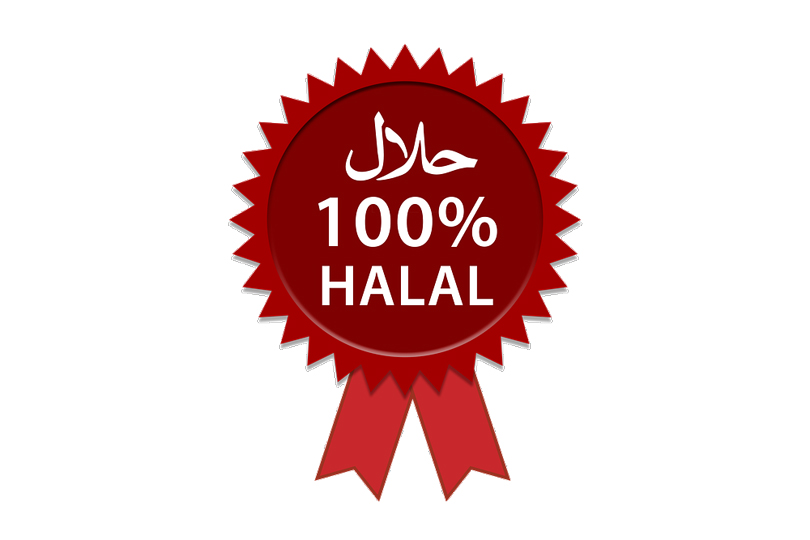
Halal cosmetics refer to personal care products that comply with Islamic law. These products must be free from any prohibited (Haram) or impure (Najis) substances. Under Islamic law, Haram substances include blood, carrion, pork, alcoholic beverages, human body parts, and animals not slaughtered according to halal practices. Najis substances include pigs and their derivatives, as well as human waste. In addition to ingredient restrictions, halal cosmetics must adhere strictly to halal standards throughout the entire supply chain—from production and processing to packaging and storage—to ensure that products remain uncontaminated.
Among ASEAN countries, Indonesia and Malaysia are the leading nations with clear and comprehensive regulations for halal-certified cosmetics. With their majority Muslim populations, these countries place strong emphasis on halal certification across sectors such as food, cosmetics, and pharmaceuticals. Singapore and the Philippines also show growing demand for halal-certified products, especially among their Muslim consumers. While Thailand and other ASEAN countries currently have lower overall demand, the expansion of the global halal market is increasingly driving both consumer demand and regulatory attention toward halal certification.
However, there’s no single global halal standard—certification bodies, requirements and procedures differ by country. Companies must comply with the specific regulations and certification processes of each market they wish to enter.
ChemLinked’s newly launched ASEAN Halal Regulation Pedia provides comprehensive coverage of halal certification processes and labeling requirements for cosmetics in Indonesia, Malaysia, Singapore, Thailand, the Philippines, and Vietnam. Access the full regulatory guide here.
 Content of the Pedia
1. Indonesia
1.1 Key Halal Regulations
1.2 Competent Authorities
1.3 Requirements for Halal Cosmetics
1.4 Halal Certification Procedures
1.5 Halal Labeling
2. Malaysia
2.1 Key Halal Regulations
2.2 Competent Authorities
2.3 Requirements for Halal Cosmetics
2.4 Halal Certification Procedures
2.5 Halal Logo
3. Singapore
3.1 Key Halal Regulations
3.2 Competent Authorities
3.3 Halal Scheme
3.4 Muis Halal Certification Conditions
3.5 Halal Certification Procedures
3.6 Halal Logo
4. Thailand
4.1 Key Halal Regulations
4.2 Competent Authorities
4.3 Requirements for Halal Cosmetics
4.4 Halal Certification Procedures
4.5 Halal Logo
5. Philippines
5.1 Key Halal Regulations
5.2 Competent Authorities
5.3 General Steps for Obtaining Halal Certification
5.4 Halal Logo
5.5 Future Trends
6. Vietnam
6.1 Recent Developments in Halal Regulatory Framework
6.2 Draft Decree on Halal Product and Service Management (2024)
 We provide full-scale global cosmetic market entry services (including cosmetic registering & filing, regulatory consultation, customized training, market research, branding strategy). Please contact us to discuss how we can help you by