Request a Demo
On November 20, 2019, Choi Mira, head of the Cosmetics Policy Division of South Korean Ministry of Food and Drug Safety (MFDS), said at the Seminar on Strengthening the Safety Management of Small and Medium-sized Enterprises that the Custom Cosmetics Explanation Session will be held on December 10 [1].
Compliance Requirements of Custom Cosmetic (effective on Mar 14, 2020)
Definition
According to the Cosmetics Act [2], custom cosmetic refers to any of the following:
A cosmetic made by mixing the contents of a manufactured or imported cosmetic with the contents of any other cosmetic or an ingredient prescribed by the MFDS
A cosmetic repackaged by dividing the contents of a manufactured or imported cosmetic into smaller amounts
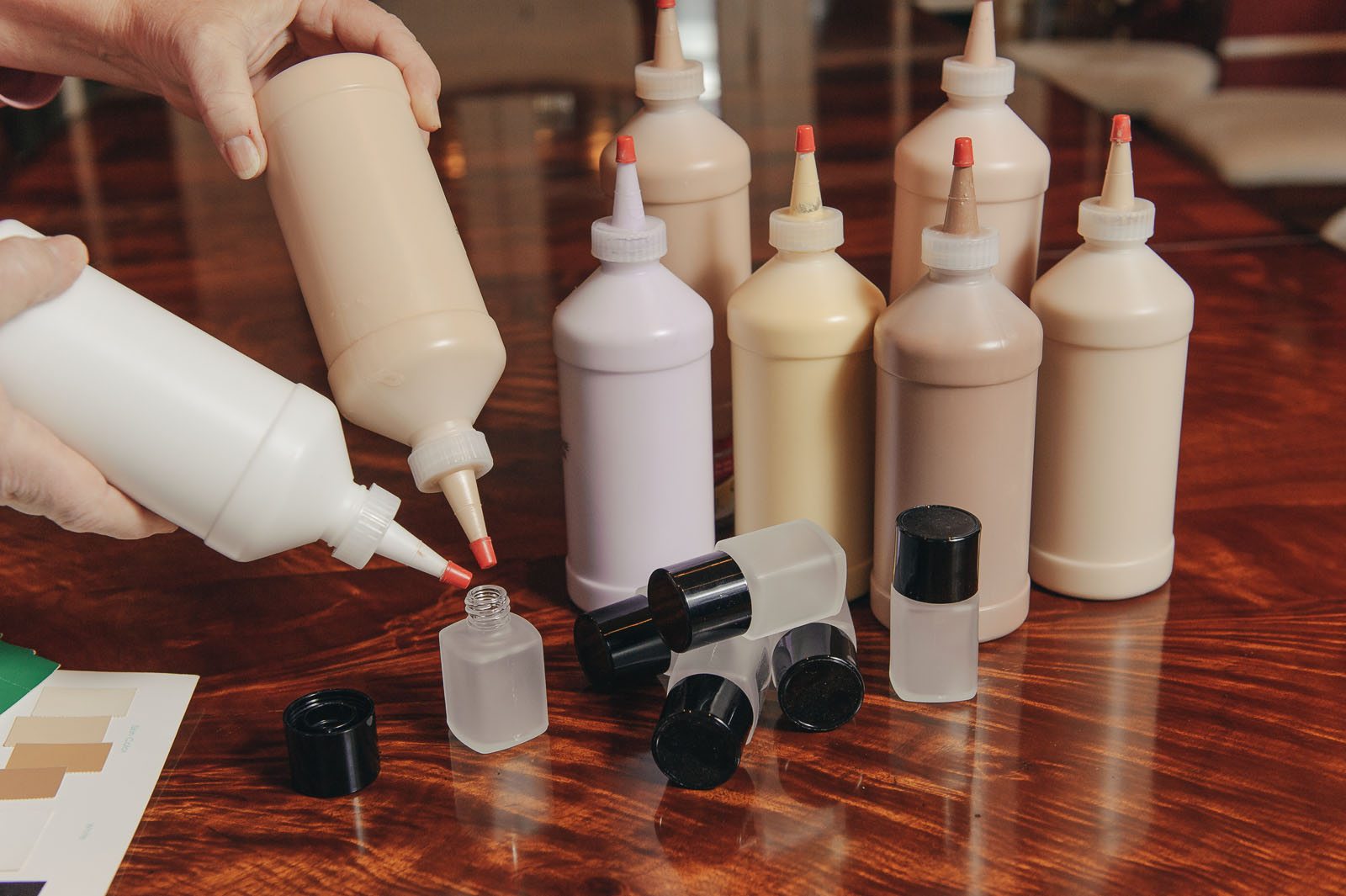
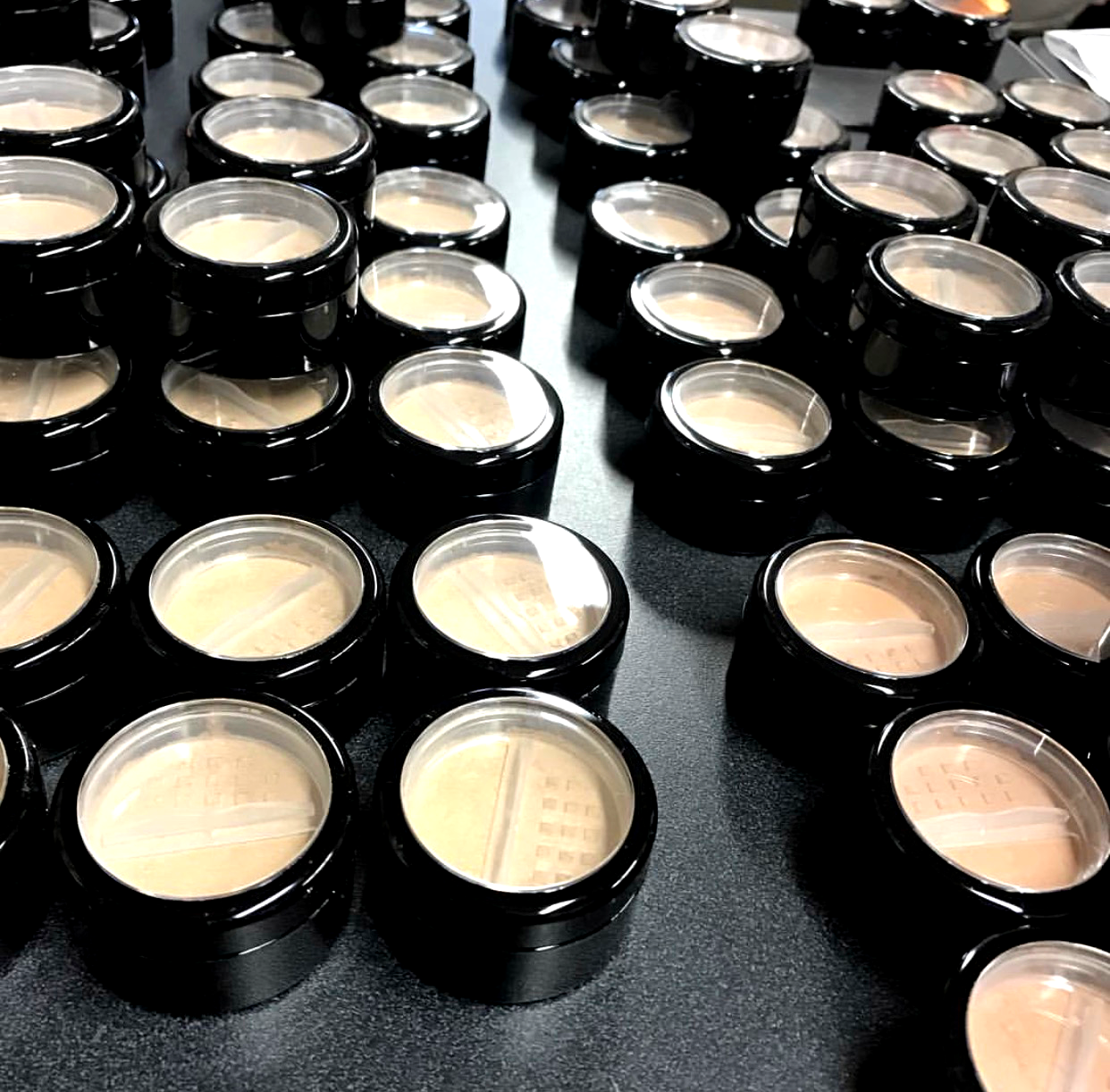 Source: Internet
Custom Cosmetic Sales Business Requirements
A person who intends to conduct custom cosmetic sales business shall file a report with the MFDS. A person who registered his/her custom cosmetic sales business (hereinafter custom cosmetic seller) shall employ a person engaged in the mixing and division into smaller amounts of a custom cosmetic (hereinafter custom cosmetic compounding manager).Custom cosmetic compounding manager shall pass the qualification test conducted by the MFDS regarding cosmetics and ingredients. Exam subjects of the qualification test will be disclosed in the Custom Cosmetics Explanation Session hold on Dec. 10, 2019.
Both custom cosmetic sellers and compounding managers shall complete specialized training courses to ensure their qualifications [3].
Prohibited Ingredients for Custom Cosmetics
Except for the following ingredients, other ingredients can be used in custom cosmetics:Prohibited ingredients in Annex 1 of Cosmetic Safety Standard [4]
Restricted ingredients in Annex 2 of Cosmetic Safety Standard
Functional ingredients used in functional cosmetics that are announced by MFDS, except for functional ingredients in the functional cosmetics which have been registered with MFDS.
Obligations of Custom Cosmetic Sellers
In the future, custom cosmetics and related companies will be managed by the local department of food and drug safety.Considering the difficulty of testing heavy metals and microorganisms for every finished custom cosmetics, the custom cosmetic seller shall bear the primary responsibility for product quality control.
Custom cosmetic seller shall compile a manual including all the effects when mixing different cosmetic contents. When consumers come to the store, they choose the effects in the manual based on their skin characteristics or preferences.
Custom cosmetic seller shall check the contents and ingredients of cosmetics in advance and confirm which contents or ingredients are allowed to be used during the custom cosmetic manufacturing process.
When providing finished custom cosmetics to service wholesalers, custom cosmetic sellers must conduct a quality inspection on the product contents and the ingredients.
 We provide full-scale global cosmetic market entry services (including cosmetic registering & filing, regulatory consultation, customized training, market research, branding strategy). Please contact us to discuss how we can help you by