Request a Demo
In the recent non-special use cosmetics (Non-SUC) filing process in China, the review of trademarks in foreign languages has become stricter [1]. ChemLinked collected the most common review issues on trademarks and combined with relevant laws and regulations to summarize the labeling requirements of foreign trademarks.
Non-SUC Filing Review Opinions on Trademarks
The following are some of the review opinions on trademarks of Beijing, Shanghai and Guangdong Medical Products Administration (MPA) [2].
Competent authorities | Review opinions | Failure reasons |
Beijing MPA | According to the latest instructions of the NMPA, whether it is the English trademark in the product name or on the label, the following Chinese interpretation must be labeled:
Only marking ® on the trademark or only submitting the trademark registration certificate will fail the filing review. All the English on the label must be explained in Chinese. | English trademarks without Chinese interpretation. |
Shanghai MPA |
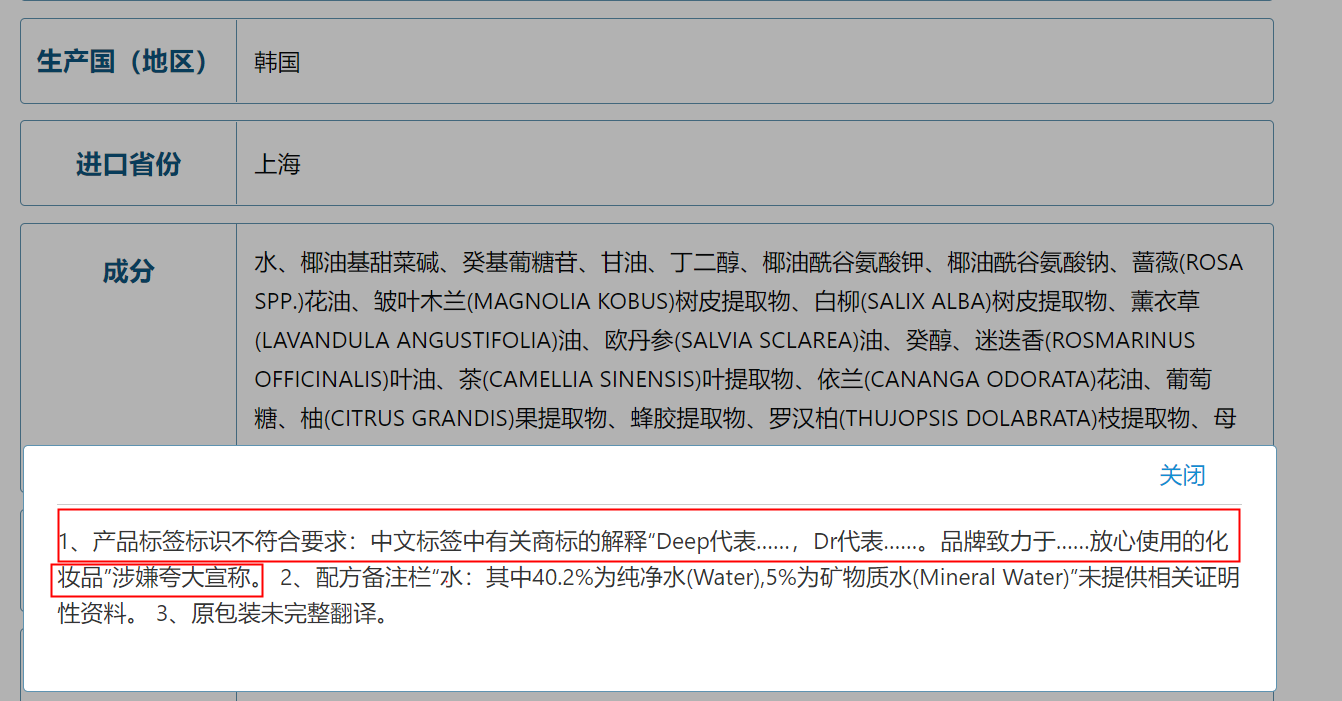
The interpretation of the trademark in the Chinese label contains exaggerated claims: “Dr. Deep”is the product brand name and a registered trademark. “Deep”represents that the product quality is worthy of deep trust. “Dr” represents the product is so professional that can be a doctor of family skincare. The brand is committed to selecting high-quality ingredients and developing safe and reliable cosmetics. | Trademark interpretation contains non-compliant claims. |
Guangdong MPA |
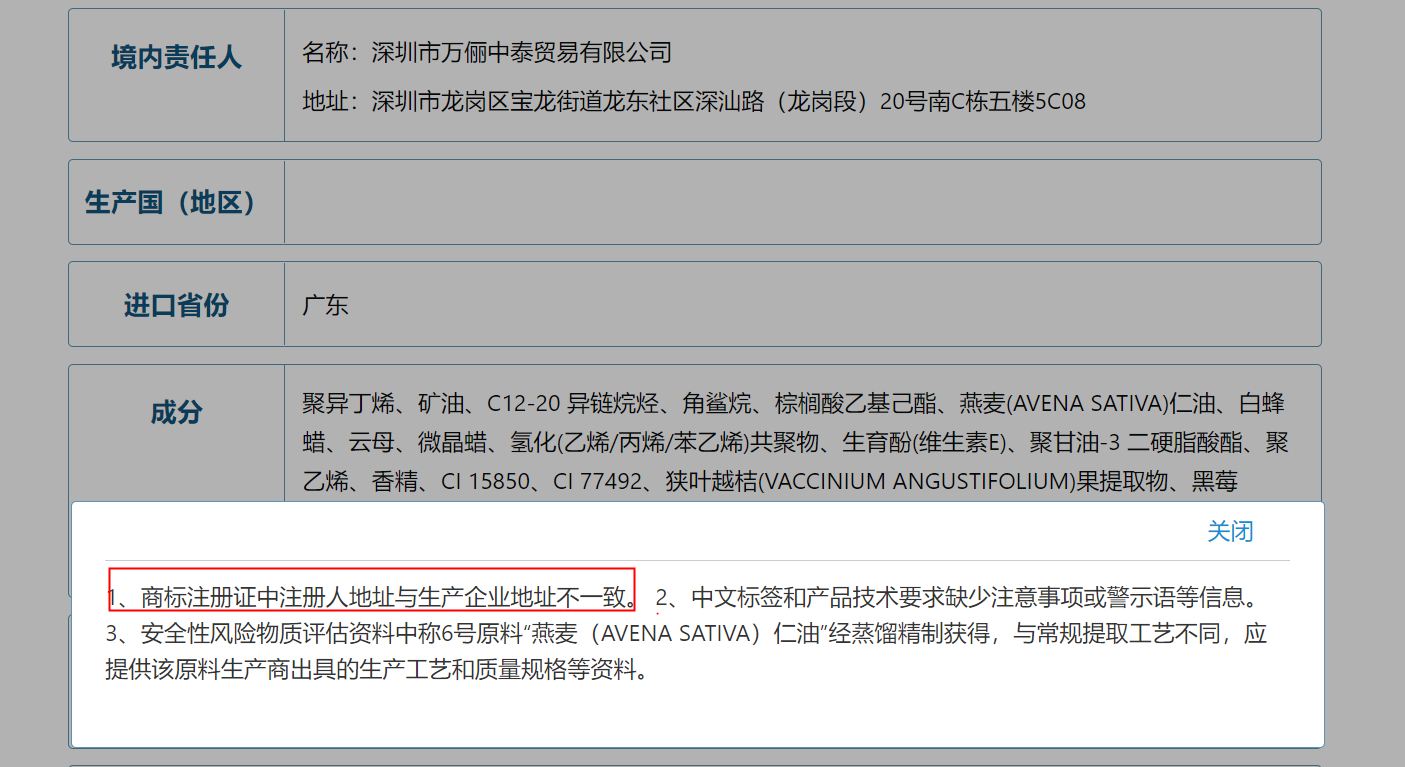
The registrant address in the trademark registration certificate is inconsistent with the manufacturer address. | The registrant address in the trademark registration certificate is inconsistent with the manufacturer address. |
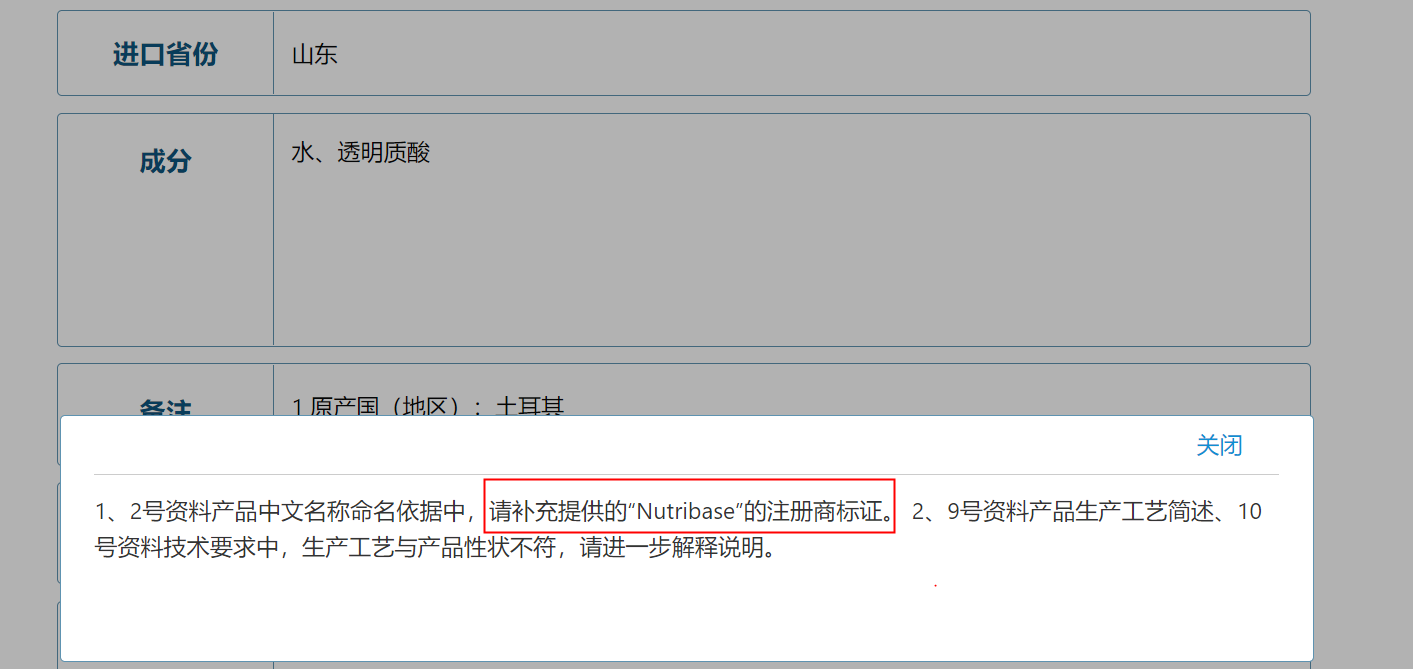
Please provide the trademark registration certificate of "Nutribase" in the product name. | Without a valid trademark registration certificate. |

Regulations on Trademark Labeling
1. Current Regulations
1) Provisions and Guidelines on the Naming of Cosmetics
Article 4 The name of a cosmetic product shall consist of the trade name, generic name and attribute name.
Article 5 It is prohibited to use the following contents in the naming of cosmetics: (1) False, exaggerated and absolute words; (2) Medical terms, or words conveying, explicitly or implicitly, medical effect and efficacy; (3) Names of medical celebrities; (4) Words and local dialects which are not easy for consumers to understand; (5) Vulgar words or words with feudal superstitious nature; (6) Approved names of drugs; (7) Foreign letters, Pinyin, digits, and symbols; (8) Other words misleading consumers.
For Item (7) of the preceding paragraph, excludes the circumstances where the contents prohibited therein are used to represent sun protection factors, color numbers or serial numbers or used in registered trademarks, or where foreign letters or symbols must be used. If the contents prohibited in Item (7) are used in registered trademarks or foreign letters or symbols must be used, they shall be explained in Chinese in the instructions of cosmetics except for those established by usage or those customarily used, for example, vitamin C. |
2) Administrative Provisions on Cosmetics Labeling
Article 21 Except for the sign of a registered trademark, all other labeling statements must be in standard Chinese. |
2. Regulations that will come into effect
1) CSAR subsidiary regulations: Administrative Measures on Cosmetics Labeling (Draft for Comments)
Article 7 (Requirements for Label Text) Standard Chinese characters shall be used in cosmetic labels. If other languages or symbols are used, standard Chinese characters shall be used on the product sales packaging to provide corresponding interpretations, except for websites, name and address of overseas enterprises, and conventional professional terms that must use other languages.
On the same display panel, the font size of other languages shall be less than or equal to that of the standard Chinese characters.
Article 8 (Requirements for Trade Name, Generic Name and Attribute Name) The name of a cosmetic product generally consists of three parts: a trade name, a generic name, and an attribute name, all of which shall meet the following requirements:
(I) The use of the trade name shall comply with the provisions of not only the relevant national trademark laws and regulations but also the relevant national cosmetics administration laws and regulations;
(II) The medical effect or the efficacy that the product does not have shall not be claimed by a trade name. Where the name of the ingredient or a term implying that it contains a certain ingredient is used as the trade name, and the ingredient appears in the product formula, the purpose of use shall be explained in the visual panel of the sales packaging; and the ingredient does not appear in the product formula, it shall be clearly labeled on the visible panel of the sales packaging that the product does not contain such ingredient, and the ingredient name is only used as a trade name.
Article 9 (Requirements for Labeling of Product Name) Chinese names of cosmetics must not be named using letters, Chinese Pinyin, figures, symbols, etc., except for registered trademarks, sunscreen index, color numbers, serial numbers, or other letters or symbols that must be used. Where the letters, Chinese Pinyin, figures, symbols, etc. are used in the registered trademark in the Chinese name of a product, the meaning thereof shall be explained in the product label.
Article 21 (Prohibited Labels or Claims) Shall not mislead consumers by using trademarks, font size, color difference, homophonic or suggestive words, graphics, or symbols. |
For other new cosmetic labeling requirements, please refer to ChemLinked news.
2) CSAR subsidiary regulations: Instructions for Cosmetic Registration and Notification Dossiers (Second Draft for Comments)
Article 26 (Naming Basis) The product name naming basis shall indicate the trade name, generic name, and attribute name, and explain their specific meanings respectively. The foreign name and Chinese name of the imported product shall be explained separately, and the corresponding relationship between the Chinese name and the foreign name shall be explained.
If the trade name in the product Chinese name uses letters, Pinyin, numbers, symbols, etc., a trademark registration certificate shall be provided. |
Labeling Requirements of Foreign Trademarks
Based on the above review opinions and regulations, trademarks in foreign languages should meet the following requirements.
Registered trademarks in the foreign language | Chinese interpretation labeling | Examples |
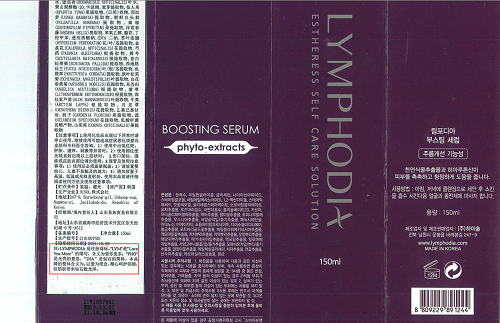
Registered trademarks with specific meanings | **是注册商标,其含义是** (** is a registered trademark, and its meaning is **) |
(LYMPHODIA is a registered trademark. "LYM” is the abbreviation of “Love You More”, which means to love you more.“PHO” means bright, and “DIA” is the abbreviation of the diamond. The overall meaning of the trademark is: based on the concept of love, our brand cares for the skin and brings a diamond-like luster for the skin.) |
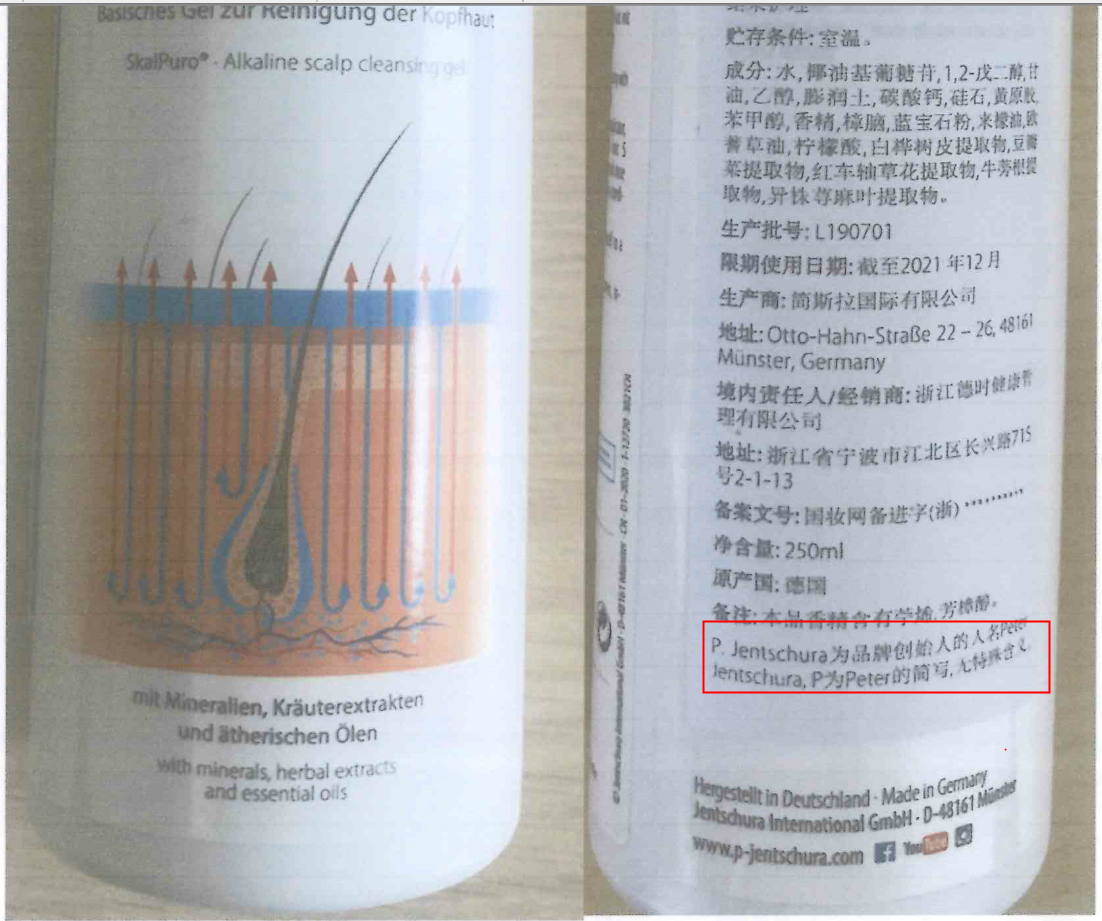
Registered trademarks without specific meanings | **仅为注册商标,无具体含义 (** is only a registered trademark and has no specific meaning.) |
(P. Jentschura is the name of the brand founder, Peter Jentschura. P is an abbreviation of Peter, with no specific meaning.) |
Notes: 1) Foreign trademarks must provide a valid trademark registration certificate during cosmetics filing or registration. But only marking ® on the trademark or only submitting the trademark registration certificate will fail the filing review. The above Chinese interpretation must be labeled; 2) Trademark interpretation must not contain non-compliant claims; 3) Pay attention to the new requirements in the draft labeling regulation. where the ingredient name or a term implying an ingredient is used as the trade name: l For products containing that ingredient, the purpose of use should be labeled on the packaging; l For products without that ingredient, it shall be labeled on the packaging that the product does not contain such ingredient, and the ingredient name is only used as a trade name. | ||
The new cosmetic overarching regulation CSAR will be implemented on Jan. 1, 2021, bringing more stringent requirements for cosmetics market entry and heavier penalties for non-compliance. You may stay tuned with any CSAR updates in ChemLinked CSAR feature page.
 We provide full-scale global cosmetic market entry services (including cosmetic registering & filing, regulatory consultation, customized training, market research, branding strategy). Please contact us to discuss how we can help you by