Request a Demo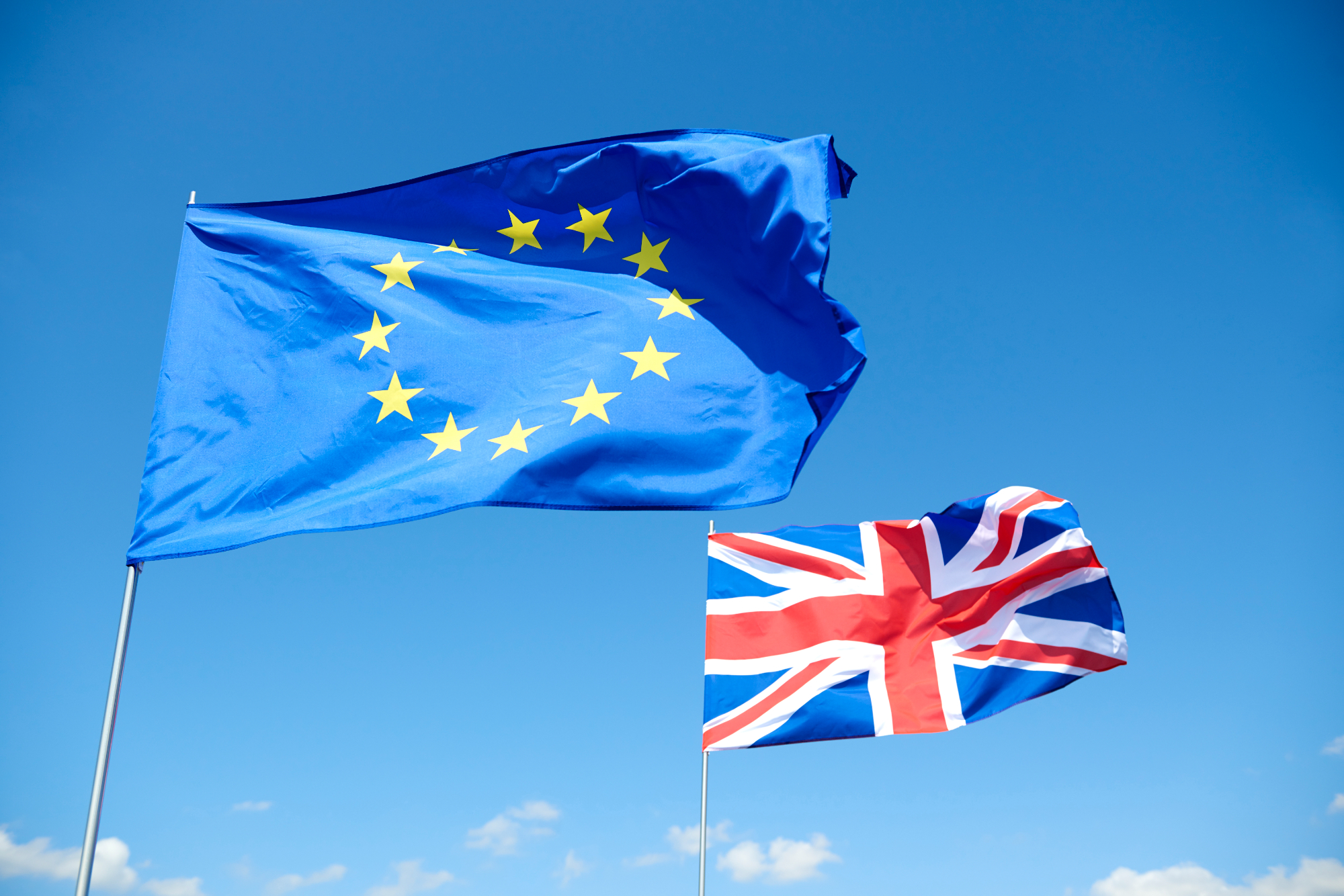
Since the UK's withdrawal from the EU, Regulation (EC) No 1223/2009 (EU Cosmetics Regulation) has been retained in domestic law, forming the basis of the UK cosmetics regulation framework to ensure continuity of the regulatory system following Brexit. Against this background, the EU and UK regulatory systems have evolved along independent trajectories, with divergences emerging in cosmetic ingredient management. For companies operating across both markets, reliance on the EU framework alone is no longer sufficient for UK compliance, making continuous monitoring of UK regulatory developments necessary.
This article compares EU and UK cosmetic ingredient regulatory frameworks post-Brexit, with a focus on divergences in ingredient list amendments, providing a structured reference for corporate compliance management.
EU–UK Cosmetic Ingredient Regulation: Regulatory Structure and Decision-Making Pathways
a. EU Regulatory Framework for Cosmetic Ingredients
The EU cosmetic ingredient regulatory system is centered on the EU Cosmetics Regulation, which establishes a harmonized annex-based mechanism governing the prohibition and restriction of cosmetic ingredients. Within this framework, the European Commission is responsible for updating the ingredient Annexes II–VI, thereby ensuring consistent compliance requirements for cosmetic ingredients across Member States.
At the scientific assessment level, the Scientific Committee on Consumer Safety (SCCS) serves as the EU's principal technical advisory body, tasked with assessing the safety of ingredients of potential concern and issuing scientific opinions that inform regulatory decision-making. Its The SCCS Notes of Guidance for the Testing of Cosmetic Ingredients and Their Safety Evaluation (the Notes of Guidance) provides a harmonized methodological reference for ingredient safety assessment, and constitutes a key technical basis for cosmetic safety evaluation in the industry.
From an operational perspective, the EU follows a science-driven regulatory update pathway. The Commission mandates the SCCS to conduct safety assessments of specific substances, after which the SCCS issues scientific opinions based on available data and finalizes its conclusions following public consultation. Where an opinion identifies potential risks or the need to adjust conditions of use, the Commission initiates the legislative process and translates the scientific findings into amendments to Annexes II–VI, which are then implemented across the EU.
 We provide full-scale global cosmetic market entry services (including cosmetic registering & filing, regulatory consultation, customized training, market research, branding strategy). Please contact us to discuss how we can help you by