Request a Demo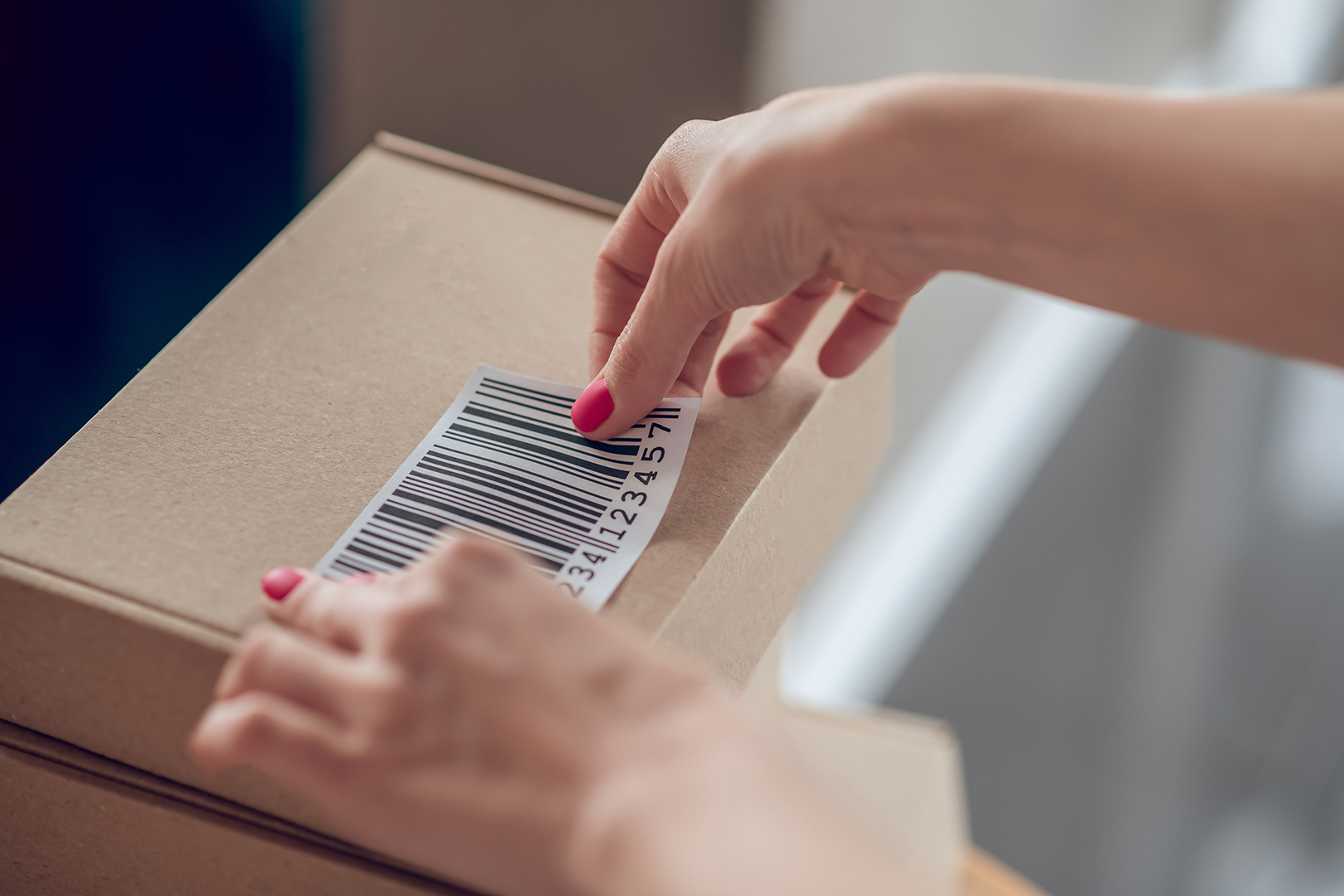
On February 1, 2026, China National Medical Products Administration (NMPA) started a three-year pilot program for electronic labeling of cosmetics in six regions including Shanghai. 1 On May 9, 2026, Shanghai Customs and the Shanghai Municipal Medical Products Administration (MPA) jointly released the Announcement on Matters Related to the Pilot Work of Electronic Labels for Imported Cosmetics in Shanghai. 2
This announcement outlines the operational guidelines for applying electronic labels (QR codes) to imported cosmetics, aiming to continuously optimize the port business environment. The regulation will officially come into effect on May 11, 2026.
Key Points
1. Pilot Scope
The initial phase of the pilot is exclusively carried out in the Shanghai Pudong New Area. Participating enterprises must be registered in Pudong, and the pilot products must be imported through ports located within the Pudong New Area. The selected companies and products are selected and confirmed by the Shanghai MPA.
2. Customs Declaration Requirements for Pilot Products
Declaration Channels: Enterprises must submit declarations via the China (Shanghai) International Trade "Single Window" to specific customs offices, including Pudong International Airport Customs, Pudong Customs, Waigaoqiao Port Customs, Yangshan Customs, and Waigaoqiao Free Trade Zone Customs.
Trade Modes: Products must be imported under "General Trade" (Customs code: 0110) or "Other Import/Export Free" (Customs code: 3339).
Documentation: When filing an import declaration, "Electronic Label Pilot" should be indicated in the "Specifications of Goods for Inspection and Quarantine" field of the customs declaration form to facilitate automatic data verification by Shanghai Customs. In addition, "G + Goods Item Number + Electronic Label Pilot" should be entered in the "Remarks" field, as applicable.
3. Inspection and Supervision Adjustments
Shanghai Customs will verify essential information on the physical packaging's visual surface—such as the product's Chinese name, net content, expiry date, special cosmetics registration number, safety warnings, and children cosmetics' logo—to ensure it matches the declared data. Additionally, it must be verified that the name of the pilot product's registrant or notifier and the relevant safety warning statements are properly labeled.
Notably, Customs will not repeatedly verify the detailed information embedded within the electronic label's QR code.

 We provide full-scale global cosmetic market entry services (including cosmetic registering & filing, regulatory consultation, customized training, market research, branding strategy). Please contact us to discuss how we can help you by