Request a Demo
Since the introduction of fermented ingredients in skincare products in the 1980s, this field has witnessed remarkable growth. By the 2010s, SK-II had gained popularity in China, becoming a symbol of fermented skincare. In recent years, as consumers increasingly seek natural and effective solutions for their skincare needs, a growing number of brands and companies have entered the fermented cosmetic market, making fermented skincare a trendy choice once again.
This article provides a comprehensive analysis of fermented cosmetics and their current trends in China, aiming to help businesses gain a deeper understanding of fermented cosmetic industry and leverage the opportunity of fermented products to achieve brand growth.
What Is Fermented Cosmetic
As a major subfield of micro-ecological skincare, fermented cosmetics are characterized by their gentle, non-irritating properties while also providing holistic effects of conditioning skin. They are added with fermented ingredients extracted through the fermentation of natural raw materials and microorganisms, which can help regulate the skin’s micro-ecology and achieve skincare benefits.
Common fermentation ingredients include Lactobacillus/soybean ferment extract, Galactomyces ferment filtrate, and Bifida ferment lysate. Commonly applied in skin care products such as creams, facial masks, cleansers, and lotions, these active ingredients offer a variety of functions, including moisturizing, anti-oxidation, and repair.
Furthermore, compared to direct extraction and chemical synthesis methods, fermentation can yield ingredients with higher quality and purity and enhance their efficacy. Such bio-fermentation technology can achieve more sustainable and eco-friendly production of cosmetics.
The Current Landscape of Fermented Cosmetics in China
Consumer Interest and Brand Popularity
On Xiaohongshu, a prevailing social media and e-commerce platform in China, users’ attention and discussion on fermented skin care have surged significantly in recent years. A search for the keyword “fermented skin care” (as of October 30, 2024) yields over 100,000 related posts. Additionally, a survey involving over 2,000 women aged 20 to 49 in first- to third-tier cities across the country revealed that more than two-thirds of respondents expressed a strong interest in facial skincare products containing probiotic ingredients. Notably, this level of attention even surpassed the attention given to hyaluronic acid.
Brands associated with fermented skincare have also gained significant traction. International brands such as La Mer, SK-II, and Lancôme have established their presence in this sector. Chinese domestic brands such as CHANDO, Dr. Alva, Bio-MESO, and Genuine Namir are gaining traction for their fermentation technology, which indicates a rising interest in fermented skincare.
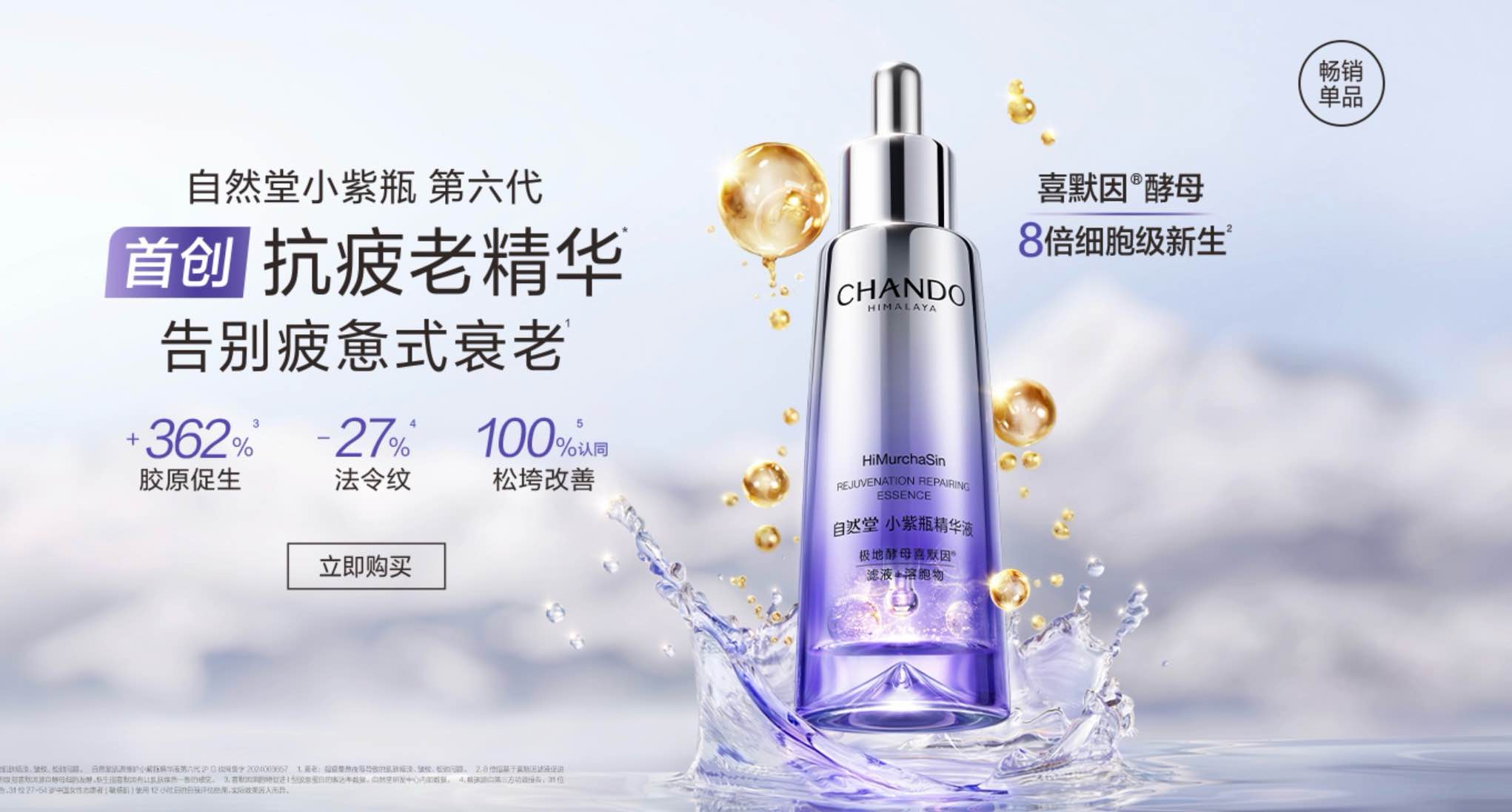
Source: CHANDO official website
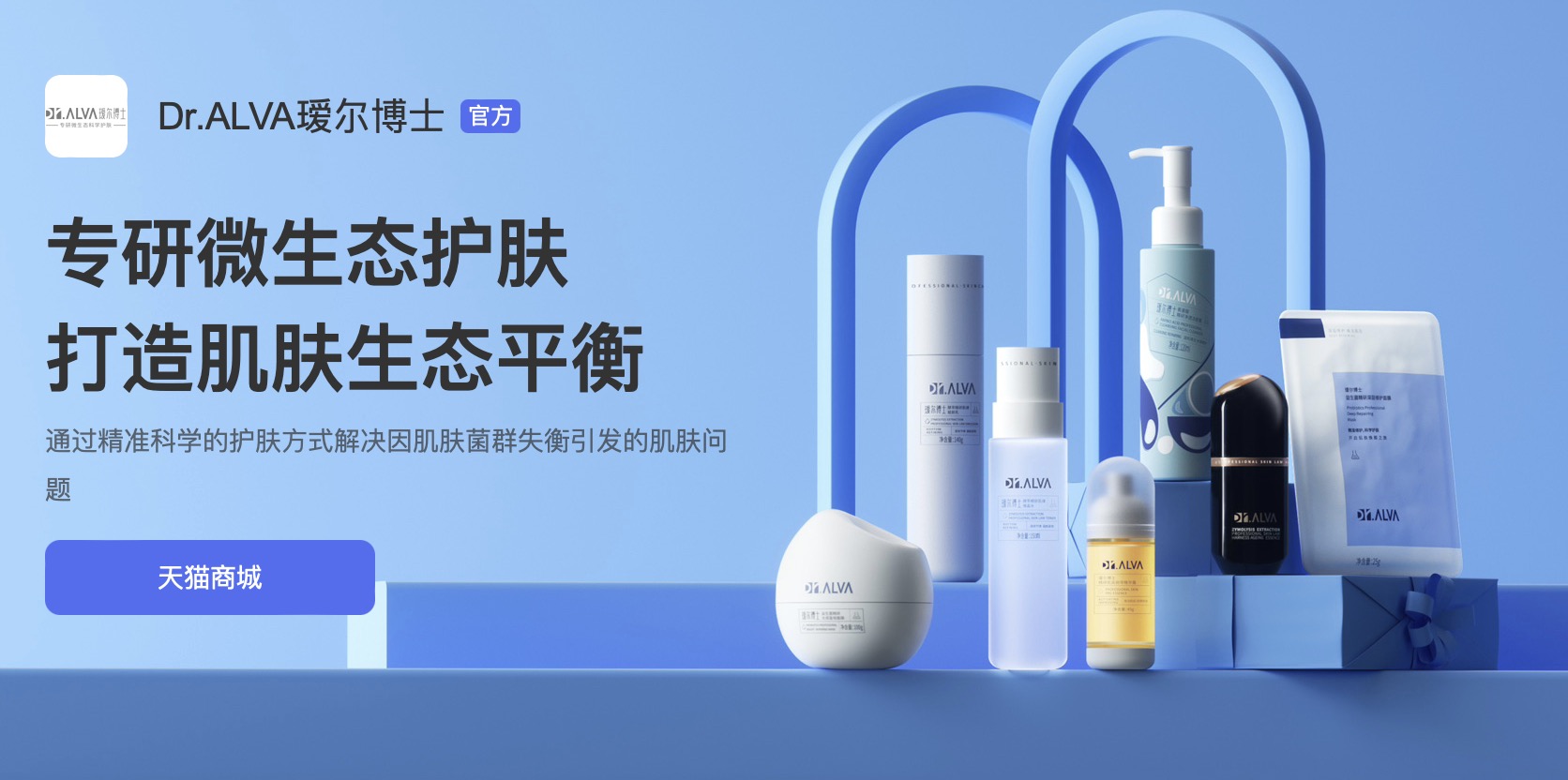
Source: Dr. Alva official website
Classic fermented skin care products on the market include SK-II’s “Fairy Water”, Estée Lauder’s Advanced Night Repair Serum (“little brown bottle”), and Lancôme’s Advanced Génifique Youth Activating Concentrate (“little black bottle”). For instance, Pitera, the core ingredient in SK-II’s “Fairy Water” is essentially a natural bio-ingredient derived from fermentation. As claimed on SK-II’s website, Pitera contains over 50 micro-nutrients including antioxidants, vitamins, minerals, and amino acids to nourish and improve skin from multiple dimensions as well as reduce visible skin damage.
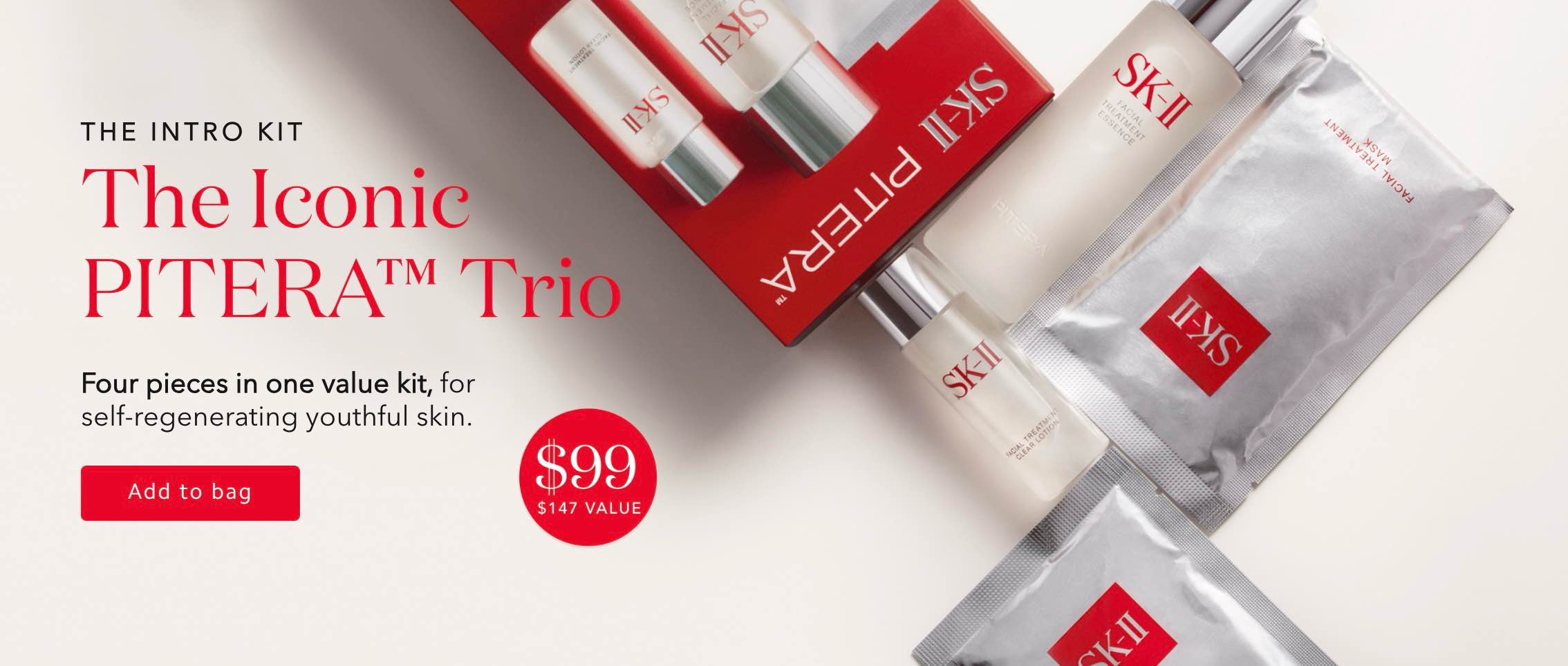
Source: SK-II official website
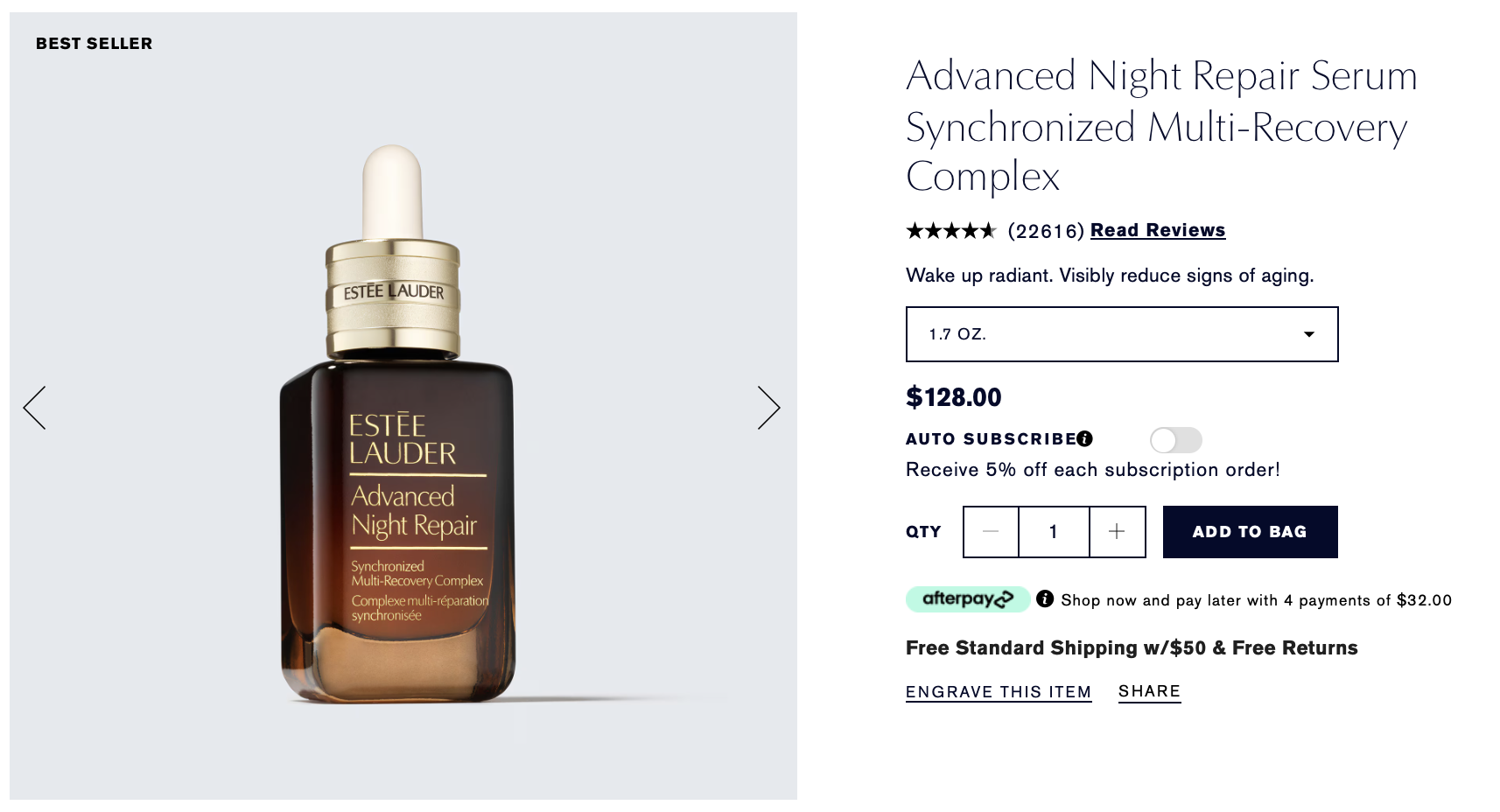 Source: Estée Lauder official website
The Rapid Increase in Registered Products and Diverse Functions
The number of notified/registered products containing fermented ingredients is growing rapidly in China. According to statistics from the Beauty Data, the annual growth rate of registered beauty products containing fermented ingredients has consistently been exceeding double digits in recent years (except for 2022 due to the global pandemic). Notably, in the first seven months of 2023, notification/registrations of fermented cosmetics surged by an impressive 43.4%. These fermented skincare products offer a wide range of functions, including moisturizing, firming, and soothing, showcasing their comprehensive benefits.
| No. | Functions |
1 | Moisturizing |
2 | firming |
3 | soothing |
4 | anti-wrinkle |
5 | repairing |
6 | oil control |
7 | exfoliating |
8 | cleaning |
9 | nourishing |
10 | makeup removal |
Ranking of Efficacies of Fermented Cosmetics Sold via Online Platforms in 2024, Source: MKTINDX
Compliance Requirements for Fermented Cosmetics
Currently, there are no special regulations in China regarding fermented cosmetics. Therefore, as either general or special cosmetics, fermented cosmetics are regulated by Cosmetics Supervision and Administration Regulations (CSAR) along with its supporting laws, which are enforced by the National Medical Products Administration (NMPA). The compliance requirements for fermented cosmetics are briefly outlined below. Please refer to China Mainland Cosmetic Regulation for detailed information.
Type | Compliance Requirements |
Fermentation ingredients | Over 80 fermentation ingredients are included in the Inventory of Existing Cosmetic Ingredients in China 2021. Companies intending to use new fermentation ingredients in their products should follow the procedures outlined in the China New Cosmetic Ingredient (NCI) Regulation. |
Cosmetic manufacture | Fermented cosmetics should be manufactured following as per the below requirements: |
Pre-market approval | Cosmetic companies need to notify/register their products with NMPA following the cosmetic notification/registration process, mainly including: 1) Assignment of domestic responsible person in China 2) Account application and user permission gaining 3) Product testing 4) Dossiers Submission 5) Review, approval, and certificate issuance |
Cosmetic labelling |
Chemlinked Comments
Overall, fermented cosmetics have gained attention due to their mildness, efficacy, and safety, which satisfy the high standards of modern consumers. For cosmetic companies, further exploring this field could foster brand growth and potentially contribute to greater diversity and sustainability in the skincare market.
 We provide full-scale global cosmetic market entry services (including cosmetic registering & filing, regulatory consultation, customized training, market research, branding strategy). Please contact us to discuss how we can help you by